
- You are here:
-
Home

-
GE Home
-
Content (Main)
- Informational
Faculty of Teacher Education
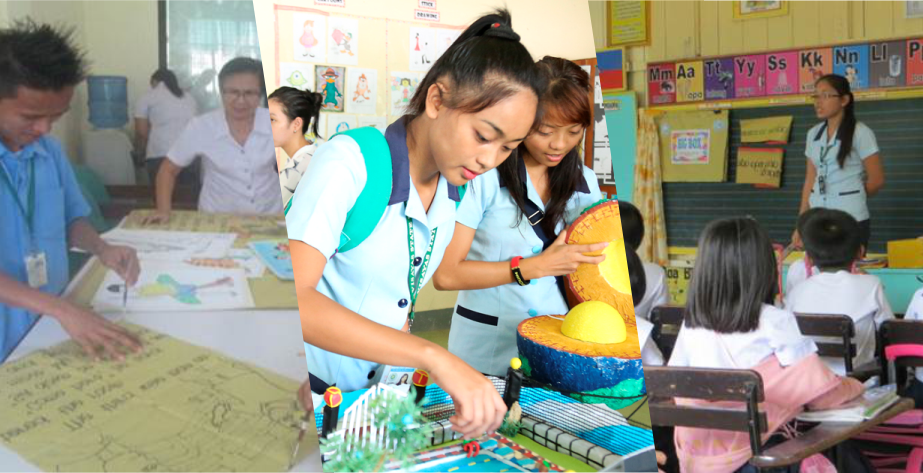
At the Faculty of Teacher Education, we train students to become effective and competent classroom managers at the elementary and secondary levels. The Department offers majors that are in demand in local and international educational institutions. It caters to the demands for professional education courses especially in Bachelor of Elementary Education major in early childhood and Bachelor of Secondary Education major in Biological Sciences, Filipino, Music, Arts, Physical Education and Health, Mathematics, and Physical Sciences.
Goals and Objectives
Program Offerings
Bachelor of Early Childhood Education
Bachelor of Elementary Education - General Education
Bachelor of Secondary Education major in:
Master in Education major in:
Services Offered
- Conducts training to Elementary and Secondary DepEd Teachers
- Conducts Extension Services to adopted schools and nearby communities
- Organize Education Students Conference (EdsCon)
Department of Pest Management
 The Department of Pest Management (DPM) formerly the Department of Crop Protection (DCP), and later the Department of Plant Protection (DPP) is one of the pioneering departments of the college of agriculture. It began in 1974 through the pioneering efforts of Dr. Fernando A. Bernardo when the Visayas State College of Agriculture (ViSCA) was established, and Dr. Emiliana N. Bernardo who became the first department chairman. The creation of DPM was embodied in Board Resolution No. 24 Series of 2001 dated November 14, 2001.
Its primary instructional responsibility is to train students (both undergraduate and graduate) in the area of plant Protection, Plant Pathology, Entomology, and Weed Science. In addition to instruction, the staff of the department also conducts activities in research, extension, and production in consonance with the program of the Visayas State University. DPM is housed in a two-story building from equipped with lecture and laboratory rooms, faculty cubicles, greenhouses, and equipment.
The department consists of four sections equivalent to the four fields of specialization, namely: Entomology, Plant Pathology, Weed Science and Vertebrate Pests. Undergraduate students who wished to major in plant protection, therefore, have four options for the fields of specialization they are going to pursue.
DPM now offers undergraduate and graduate courses in Plant Protection, Plant Pathology, Entomology Weed Science and undergraduate courses leading to specialization in Vertebrate Pests.
Vision
Center of excellence in instruction, research and extension in the field of pest management in the Visayas
Mission
Attainment of the highest quality of human capital equipped with scientific knowledge to develop sustainable, environment-friendly and affordable pest management technologies.
Goal
Produce high-quality professionals in Plant Protection to cater to the needs of the populace through the application of sound pest control technologies for improved crop production.
Scholarship & Financial Assistance
Undergraduate major students may qualify in any scholarship or financial assistance available to all VSU students such as:
- University scholarship - for students with a grade point average (GPA) of 1.00 - 1.45 in the preceding semester
- College scholarship - for students with a GPA of 1.451 - 1.75 in the preceding semester
- Grants in Aid
- Philippine Agriculture and Resources research foundation, Inc. (PARRFI) Scholarships
- Weed Science Society of the Philippines, Inc. (WSSP) Undergraduate Scholarships
- Phytopathological Society Visayas Division Scholarship
- Student Assistantship - for those who cannot qualify as scholars and are willing to work during vacant hours
Graduate Research and Teaching Assistantships - available for graduate students in the MS/Ph.D. programs
- Part-Time Instructor
Job Opportunities
Plant Protection graduates may be employed as instructors in various agricultural colleges and universities. Since they are also trained in research and extension, they can work in government and private agencies whose concern is agricultural production and all its aspects in science research and administration, forest protection and management. They may work as quarantine officers in airports and seaports. They also have bright prospects in the private sector particularly in agribusiness enterprises and the pesticide industry. They may also apply for work or graduate studies abroad. Enterprising graduates may start small scale business in pest control, apiculture, sericulture, mushroom production, medicinal and pesticidal gardening, weed and butterfly preservation for handicraft and aesthetic value, and other similar undertakings.
Facilities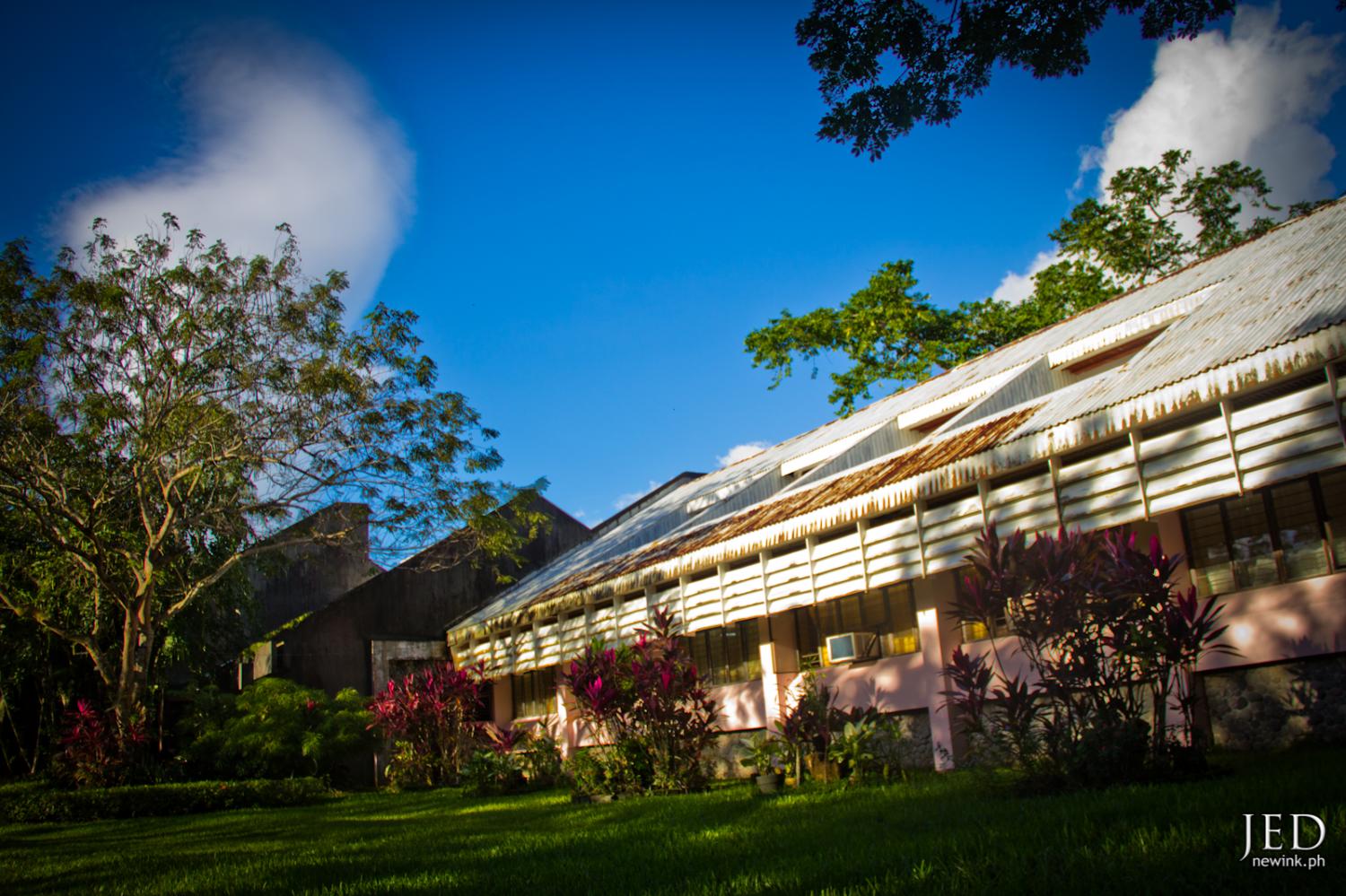
- Building - with spacious and well equipped lecture and laboratory rooms, research laboratories, audio-visual room (120 sitting capacity), function hall and faculty rooms.
- Brain Case (Library)
- Student lounge
- Natural History Museum - with display intended for public education awareness of the local flora and fauna, as well as an entomological collection for systematic research
- Laboratory equipment - microscope and photovideomicroscopes, microprojector, histological equipment (for microtechnique such as a sliding and rotary microtone, tissue embedding center, incubators and slide dryer), pH meter, spectrophotemeter and other analytical equipment
- Audio-visual equipment-overhead projectors, slide projectors, multimedia
- Screenhouses for controlled experiments
- Experimental fields
- Butterfly Sanctuary
- Pesticidal and medicinal garden
Research
Aside from instruction, DPM staff also undertakes research activities in Pest Management, with strong towards biological control, use of resistant varieties and other ecologically sound means. They also engage in biotechnology researches such as the development of disease resistant varieties and other pest control methods to meet current global trends. The department establishes linkages with national and international institutions and agencies.
Extension
A. Pest Clinic
DPM established the Plant Pest Clinic in 1978. The Pest Clinic was the first of its kind among all state colleges and universities (SCUs) in the whole Philippines. It serve as the extension arm of DPM in assisting farmers, researchers, students and development workers in the identification and control of various plant pests such as insects, diseases, weeds and vertebrate pests affecting different crops. It has expanded its function and service to include pests households, work places, and warehouses, thus its more appropriate novel name in Pest Clinic.
Mission
Effective and efficient delivery of pest management services to crop growers, farmers, technicians, students and community.
Goal
An empowered clientele aware of the danger of pests and of its proper management
Objectives
The Pest clinic aims to accomplish the following objectives:
- To diagnose pest problems of plants and in households, work places and warehouses and to recommend control measures against them.
- To provide practical training on the proper identification of pests and their effective and efficient control measures to farmers, plant protection students and other interested individuals.
- To appropriate farmers and other clientele on the proper use of pesticides, with emphasis on the effects on pests, non-target organisms, wildlife, marine life and the environment.
- To establish, strengthen linkages with a local government units and non-government organizations in order to build-up their capability in handling pest problems in the community.
- Scope
The scope of activities includes:
Diagnosis of pest specimens brought to the Pest clinic by technicians, researchers, farmers, crop growers and students, and recommendation of specific control measures.
Field visits to assist and diagnose pest situations, and recommendation of proper control measures and/or possible solutions to the said problem.
Provision of services in the control of household pests like termites, and, etc. to the VSU community and neighboring areas.
Publication and distribution of Pest Clinic bulletins, pamphlets and other extension materials.
Preparation of broadcast materials in cooperation with VSU radio station DYAC.
Conduct training on pest identification and management, and on proper use and handling of pesticides.
Location
The Pest Clinic is strategically located in the 1st floor of the Department of Pest Management building in VSU, Visca, Baybay City.
For more information and inquiries of the Pest Clinic, please contact:
The Coordinator
Pest Clinic
DPM, VSU, Visca, Baybay City
Tel. no. (63) (053) 335-2626
E-mail:
Consultation Fees
For consultation charges, please refer to the rates below:
B. The VSU Natural History Museum
DPM houses the Natural History Museum (Museo ng Kasaysayang Likas) was formally established in the mid 1970's as a Biological Museum with the aim of supporting the trilogy of function of the University, namely instruction, research and extension. As such, it is a repository of biological specimens, for teaching as well as scientific research activities. It has expanded its function and now serve as an identification library which students and professors alike interested in natural history can use.
Objectives:
- As a museum of natural history, it aims to accomplish the following objectives:
- To document local biota, with emphasis on the environs of VSU and the Visayas and in collaboration with the botanical collections of the Department of Biological Sciences;
- To generate basic systematic information especially those of importance to agriculture, and allied fields;
- To promote awareness of the national heritage and thereby cultivate the scenes of nationhood and preservation of our natural resources for paternity, and;
- To develop linkages and cooperation with national and foreign museum of natural history towards achieving the above objectives.
Facilities and Collections
The museum comprises a single modern complex of two large rooms, one of which is designated to hold the research collection and the other is to hold the public education display. Special exhibits are put up annually which are added features in the public display.
The museum houses more than 800,000 biological collections of plants, animals and other biota that serve to document the biodiversity of the region as well as that of the country. The collections of the Museum consist specifically of the following:
- entomological collections (insects, mites, and other arthropods);
- aquatic invertebrates and vertebrates (corals, sponges, molluscs, crustaceans, fishes, etc.);
- terrestrial vertebrates and other wildlife (reptiles, birds and mammals including some rate and endangered species);
- botanical collections (mainly weeds, ferns, mosses, lichens, algae and seagrasses, & forest trees)
- mycological collections (pure culture isolates and diseased specimens)
- Live specimens of some animals (reptiles, birds and fishes) are kept in the Museum not only as added attraction but also for scientific purposes.
These are other attractions which can be visited within the vicinity of the Museum like the butterfly sanctuary, and the medical and pesticidal garden.
Museum Staff
In the absence of regular staff for the Museum, some faculty of the Department of Pest Management who are also specialists on various organizations are in-charge of the different collections. The Museum staff also provides technical support to the Pest Clinic mainly by providing sample collections especially for pest diagnosis and identification. In addition, one full time staff regularly maintains the collections in the Museum.
Museum Hours
The Museum is open from 8:00 am to 5:00 pm, Monday to Friday. Saturday and Sunday visits may be accommodated but with prior arrangement. Walk-in visitors are allowed whenever the Museum is open.
Entrance Fees
To maintain and improve the collections of the Museum, a minimal fee of P 5.00 is charged per adult on weekdays. Children below 6 years of age are free of charged. For pre-arranged group hours (minimum of 20 persons), P 2.00 per person will be charged.
Location
The VSU Natural History Museum (Museo ng Kasaysayang Likas) is housed in the Department of Pest Management, VSU, Visca, Baybay City.
For more information and inquiries about the Museum, please write or call:
The Curator
VSU Natural History Museum (Museo ng Kasaysayang Likas)
Department of Pest Management
Visayas State University, Visca City 6521-A, Philippines
Tel No.: (63) (053) 335-2626
C. Other Extension Activities of DPM
Faculty as subject matter specialists act as resource persons in symposia and farmer's fora.
Short Courses:
Mushroom Production
Mushroom production can be a profitable source of additional income and food in the rural communities where agricultural wastes such as rice straw and banana leaves are abundant. This 3-module training course is designed to provide the participants with the basics of mushroom production and thus, spark their interest and enhance their capability on mushroom production.
At the end of the course, the participants shall be able to:
- Identify the common edible mushroom and name the benefits derived from growing them.
- Comprehend the basic principles and techniques involved in mushroom production
- Perform the actual procedures in mushroom culture, and
- Recognize the common problems encountered in mushroom culture/production
Participants
The course is open to all individuals interested in mushroom cultivation.
Methodology
Lecture series, demonstration and hands-on exercises are the principal methodologies of the course.
Course Fee
A participant may enroll in one module only. A minimum of six participants is required per module. A training fee of PhP 400.00 (Module 1) and PhP 600.00 (both module 2 and 3) per participant will be collected upon registration to cover the cost of culture media, substrate, handouts, other training materials and snacks. Board and lodging will be shouldered by the participants.
Schedule of Venue
Short courses will be conducted at DPM, VSU, Visca, Baybay City in April and October or upon request.
For further Inquiries, please contact:
The Head
DPM, VSU, Visca, Baybay City
Tel. No.: (053) 335-2626
In , DPM Faculty also serve as lecturers/resource person in international, national, regional and local symposia and farmers fora.
Department of Food Science and Technology
 The Department of Food Science and Technology (DFST) plays an important role in the development of society. It is one of the institutions in the country offering Food technology as an academic program. It could, therefore, play a vital role in human resource development needed in the various technology transfer particularly in food science and technologies. It could also spearhead the generation of knowledge in food science and technology and in initiating the application and use of food science strategies and technologies in specialized areas of development.
Vision
The DFST as the center of excellence in food science and technology in the Visayas.
Mission
Enhancement of the general well-being of the beneficiaries of agriculture, fishery, and agro-industry in the Visayas through effective manpower development, technology generation, dissemination and application of appropriate food technology.
Goals
Effective education in food science and technology.
Appropriate knowledge and technologies relevant to food processing and utilization.
Strong linkages with private industries and organizations for the commercialization of appropriate technologies generated.
Public awareness and advocacy on relevant issues affecting food quality and safety.
Dynamic cooperation with various units in the institution and with external organizations concerned with food science and technology.
Programs
The department offers the Bachelor of Science in Food Technology, a four-year course, as its major undergraduate degree program the department also offers the MS in Food Science and Technology for graduate students.
Career Opportunities
- Food Technologist in Food Industries
- Research and Development Workers in Food Companies
- Technical and Sales Representatives in Food and Related Industries
- Researchers in Government and Research Institutes
- Instructors and Researchers in Colleges, Universities and Technological Institutes
- Government Food Inspectors in Regulation and Safety
- Extension Workers in Government Agencies
- Entrepreneurs in the Food Business
- Managers in Food and Related Companies
- Food Engineers in Food and Related Establishments
- Quality Control Scientists
Student Organization
Philippine Association of Food Technologists - Kappa Student Chapter (PAFT-KSC)
Objectives:
- To be true and scientific Food Technology Students
- To support and pursue the goals of the LSU Organization of Food Technology Students who are self-reliant and self-sufficient.
- To abide by the rules and regulations of the College.
- To work harmoniously with other student organizations and help foster the objectives of the school for economic and social causes.
Department of Horticulture
 The Department of Horticulture at VSU is a center of excellence for instruction, research, and extension in horticulture playing a lead role in the development of the fruit, ornamental, vegetable and plantation crop industries in the Visayas.
Offers HORTICULTURE as a major field of specialization in the Bachelor of Science in Agriculture (BSA), Master of Science (MS), and Doctor of Philosophy (Ph.D.) programs of the Visayas State University.
Sections
- Pomology - focuses on the generation of suitable technologies and training of technical manpower for a competitive tropical fruit industry.
- Plantation Horticulture - addresses critical issues and concerns towards the development of appropriate technologies and technical manpower for the modernization of plantation crop industries with an emphasis on abaca, coconut, coffee, and cacao.
- Olericulture - aims at developing the full potential of the region's resources for the effective, efficient and sustainable production of high-value vegetables.
- Ornamental Horticulture - leads in the development and advancement of the region's ornamental industry.
- Nursery Culture - deals with the commercial propagation of important horticultural crops using traditional tools and micropropagation techniques.
- Postharvest Horticulture - concerns with the preservation of the quality of harvested horticultural produce.
Extension Activities
- Training, Techno-demonstrations and Technical Consultancy
- Cultural Management of Ornamental plants
- Hands-on training on asexual propagation of fruit trees
- Abaca production and management
- Establishment of cold storage facilities for high-value vegetables and cut-flowers
- Production of high-value vegetable crops
- Organic vegetable production
- Bio organic fertilizer production
- Distribution of production guides and other extension materials
- Production and distribution of various vegetable seeds
- Growing vegetable for seed production
- Promote the production and monitor disposal or high-quality planting materials of various fruit crops
- Provide technical assistance on fruit, vegetable, plantation and ornamental crops production to growers/techno farm
- Organize/Assist/Participate Garden Shows and Agri-trade Fair for marketing linkages and technology promotion
- Garden show
- Agro-industrial fair
Facilities/Resources
- Laboratories
- Tissue culture laboratory
- Postharvest technology laboratory
- Seed processing and seed storage
- Crop physiology and service laboratories
- Production Project / Experimental Areas
- Vegetables and seed production Projects
- Fruit crop nursery project
- Ornamental crop nursery project
- Fruit orchard (12 ha.)
- Cacao project (2.8 ha)
- Coffee project (2 ha)
- Scion Grove
- Other Facilities
- Library and reading room
- Lecture room and audio-visual equipment
Department of Animal Science
 The sole department under the college of agriculture dealing with animals, the Department of Animal Science is a pillar for instruction, research, and extension in animal science offers the Bachelor in Animal Science (BAS) with majors in Animal Production and Animal Health, Master of Science (MS), and Doctor of Philosophy (Ph.D.) programs of the Visayas State University.
The department has two divisions – Animal Production and Animal Health.