

#GoingGlobal: #ProudViscans join international summer school at Hiroshima University in Japan
- Details
- Written by Victor S. Neri and Department of Animal Science
-
Published: 16 November 2026
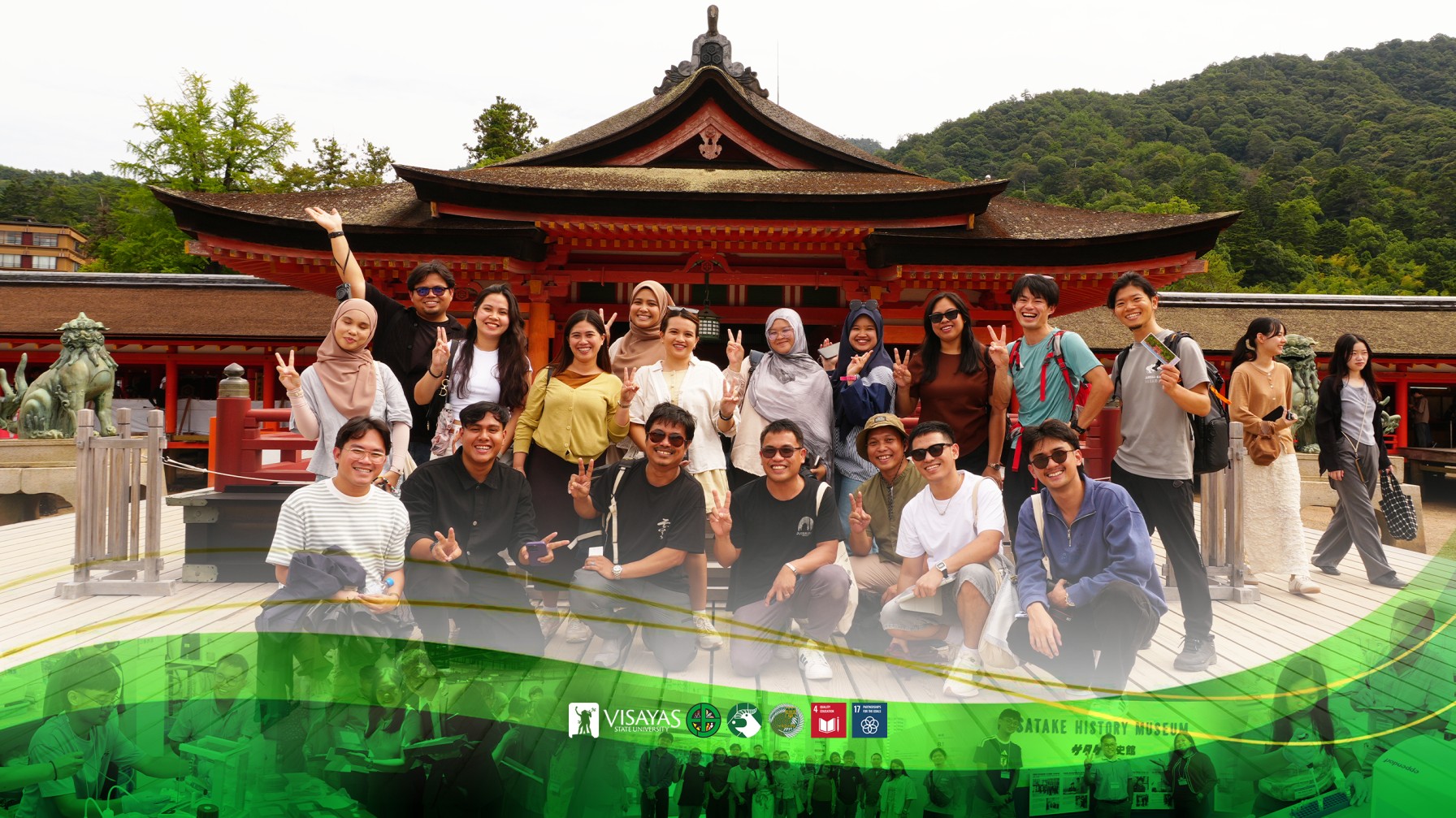
The current participation of the Visayas State University in the 18th International Summer School on the United Nations’ Sustainable Development Goals (SDGs) at Hiroshima University (HU) in Higashi-Hiroshima, Japan highlights what has become a long-standing partnership with HU for nearly 15 years.
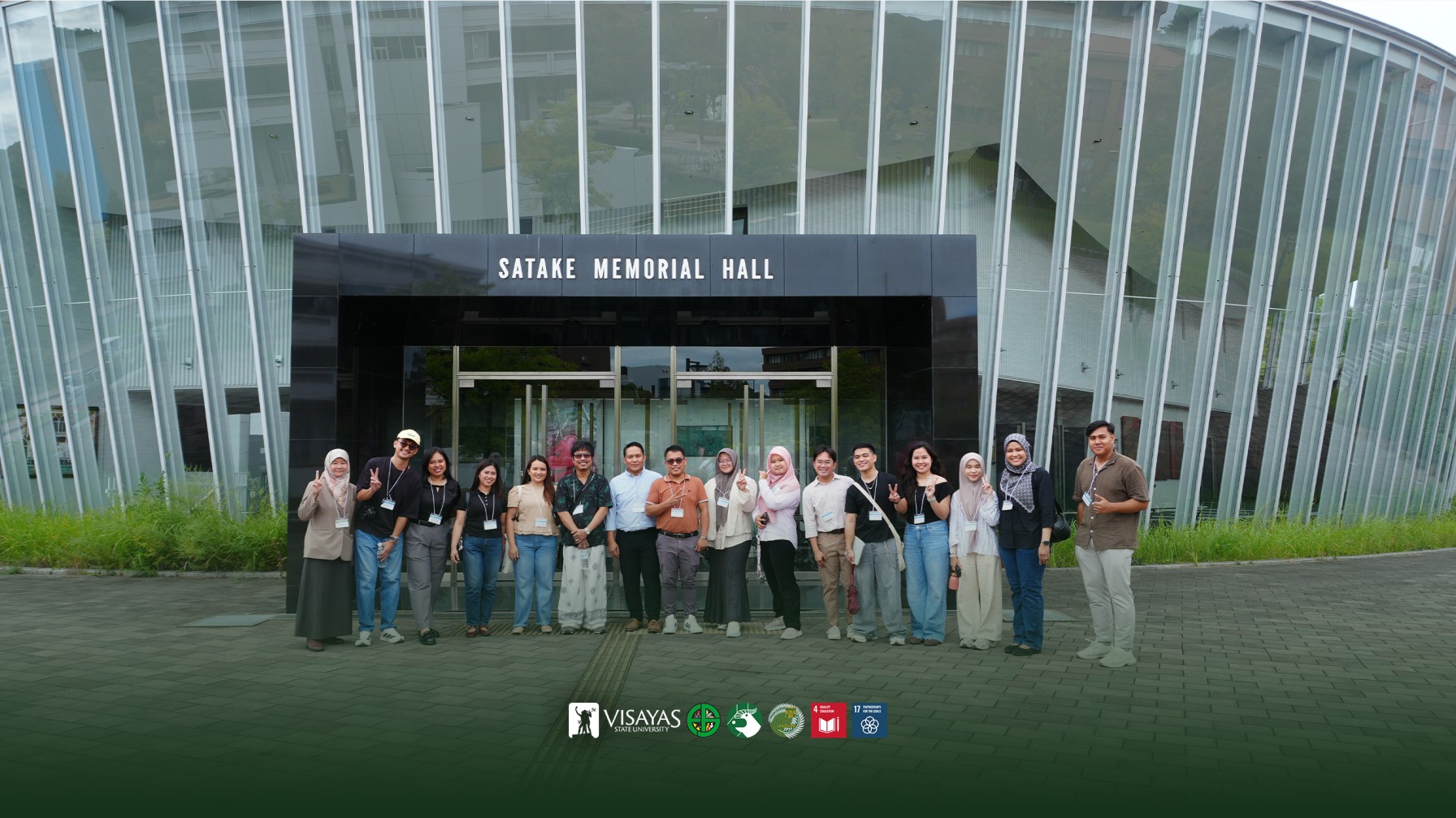
In an effort to strengthen its international academic presence, #ProudViscans Dr. Manuel D. Gacutan Jr., Head of the Department of Animal Science; Ms. Shea S. Jong, MS Animal Science student; and Mr. Aaron Clarence A. Camacho, BS Agriculture major in Animal Science student represented VSU.
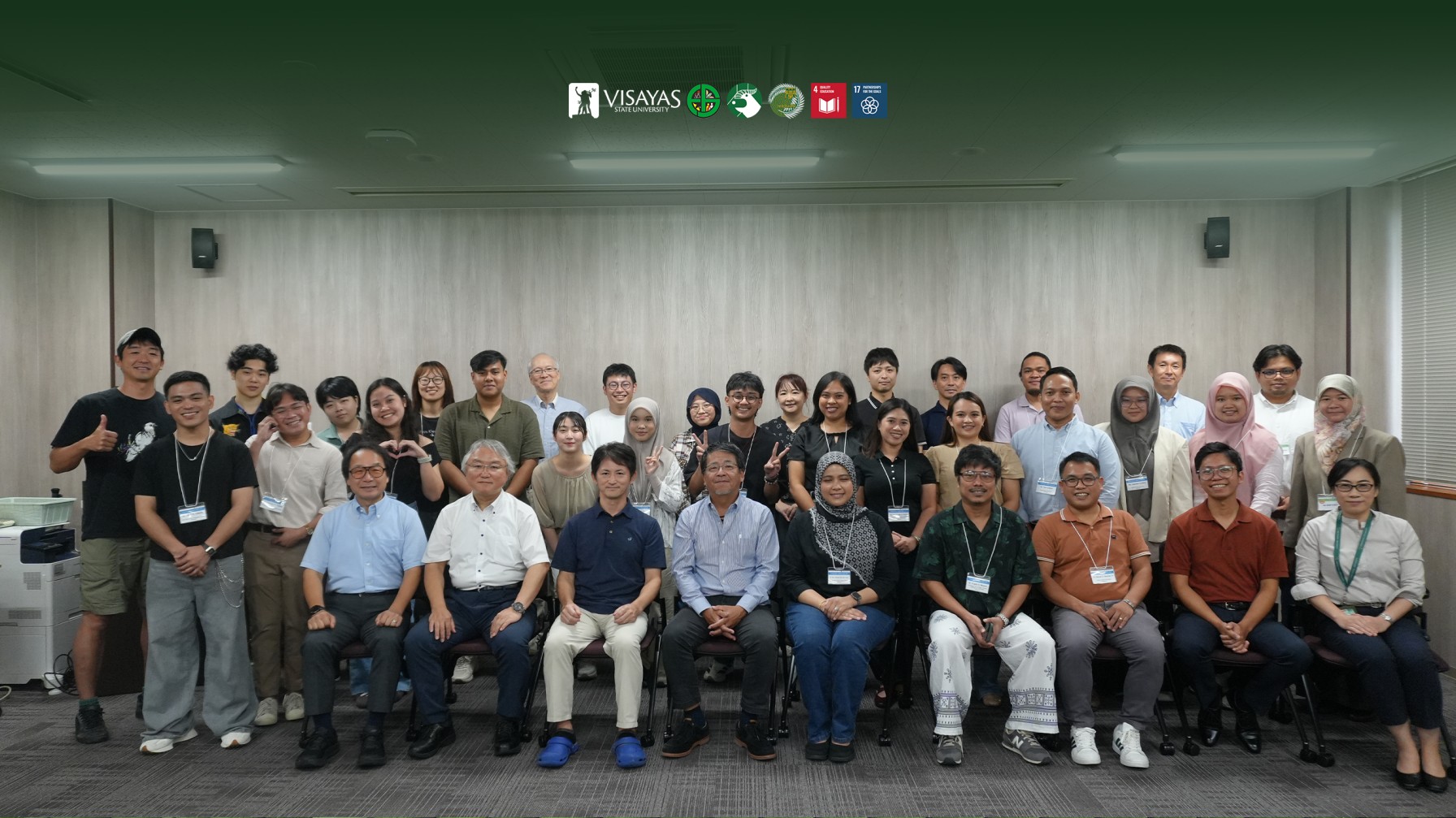
The international summer school that ran from September 7-11, 2026 gathered faculty members, researchers, and students from partner universities from different countries to present their research, exchange knowledge, and take a look at what HU has to offer.
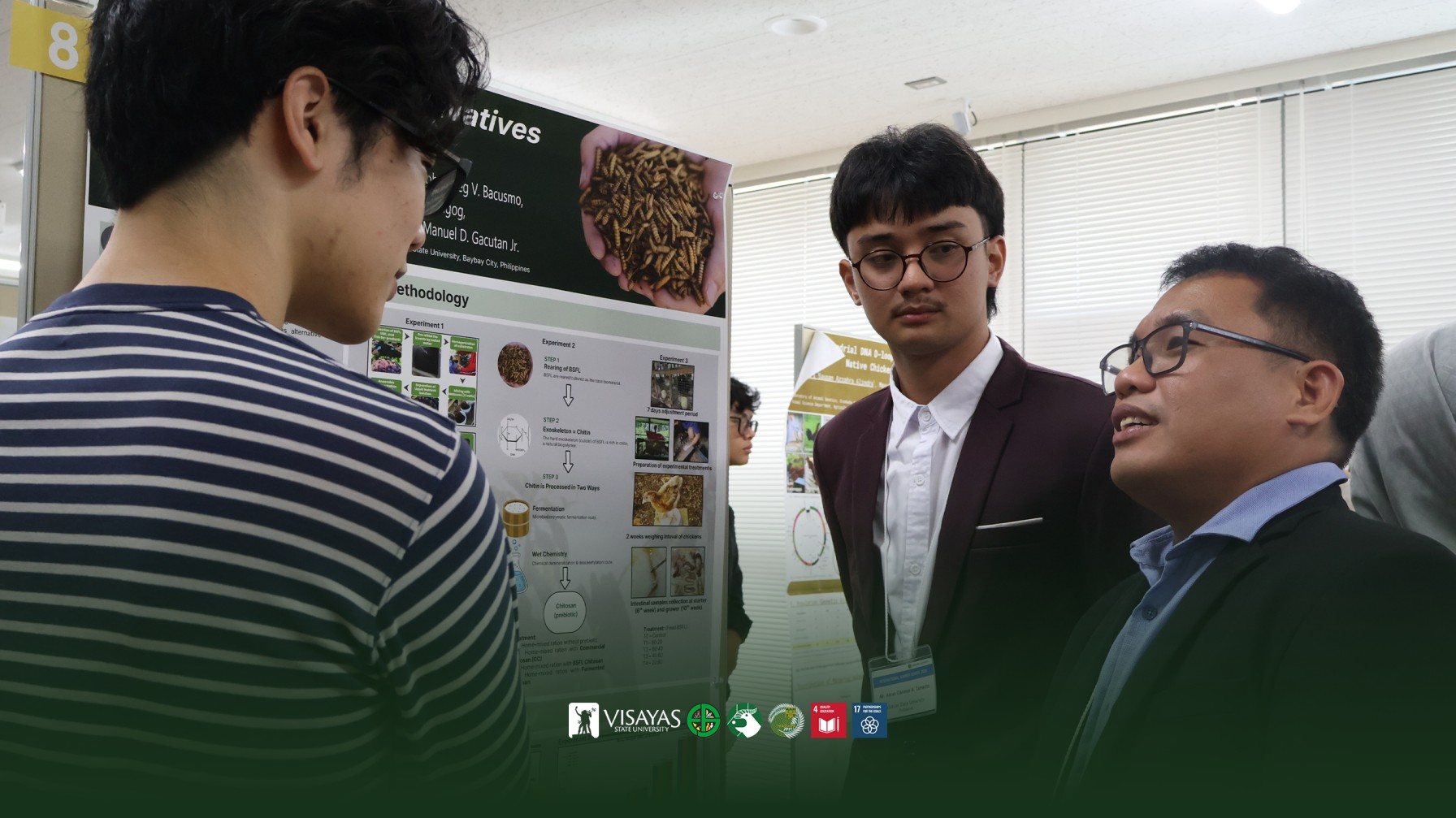
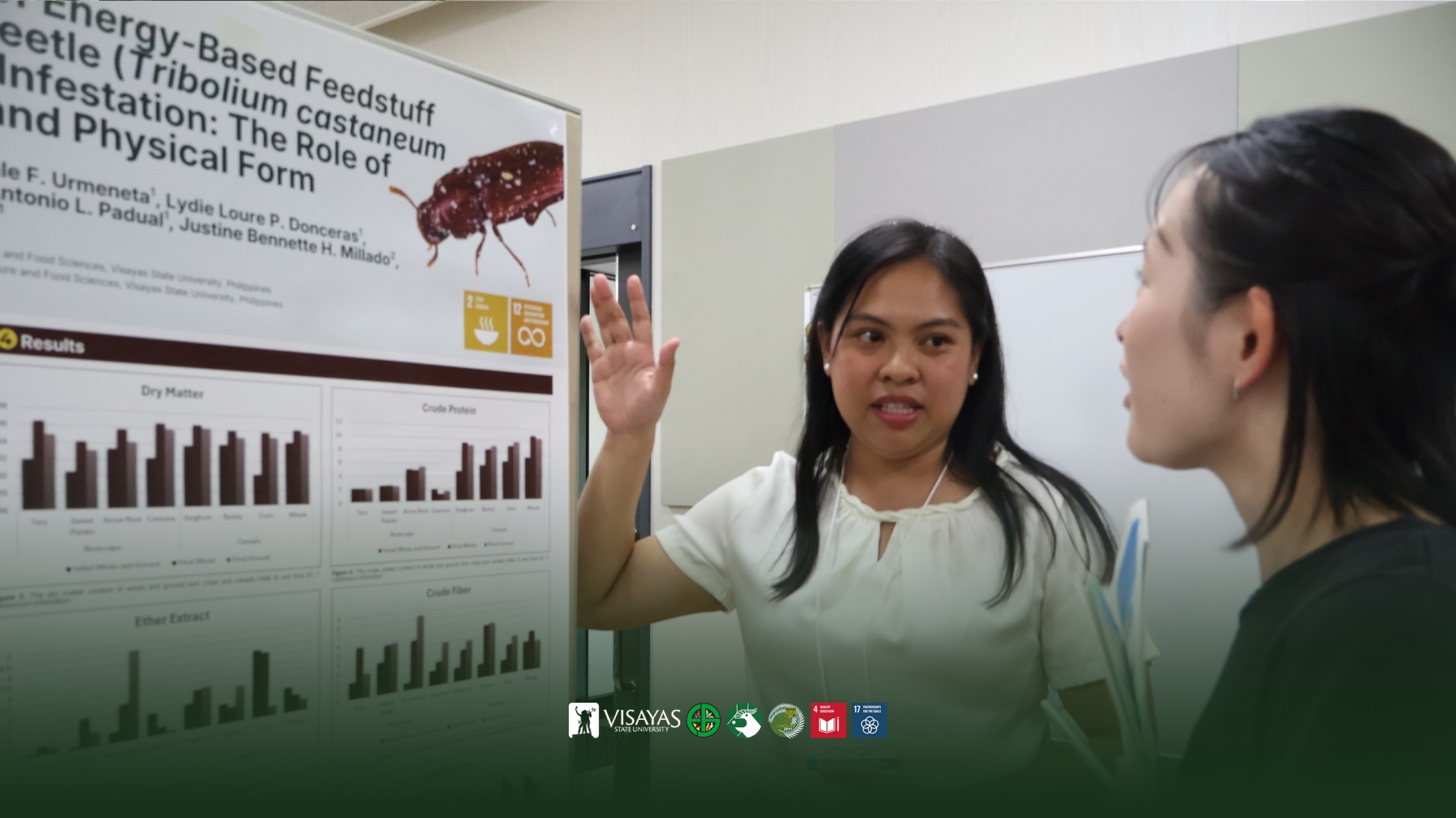
During the week-long visit, Jong and Camacho presented their scientific posters entitled “Vulnerability of energy-based feedstuff to red flour beetle (Tribolium castaneum Herbst, 1797) Infestation: The role of feed source and physical form” and “Insect and its Derivatives as Animal Feeds.”
Dr. Gacutan, for his part, served as one of the plenary speakers who presented a Department of Agriculture-Bureau of Agricultural Research (DA-BAR)-funded research on an AI-powered system for detecting feed adulterants, demonstrating how digital technologies can contribute to improved feed quality, livestock nutrition, and sustainable animal production.
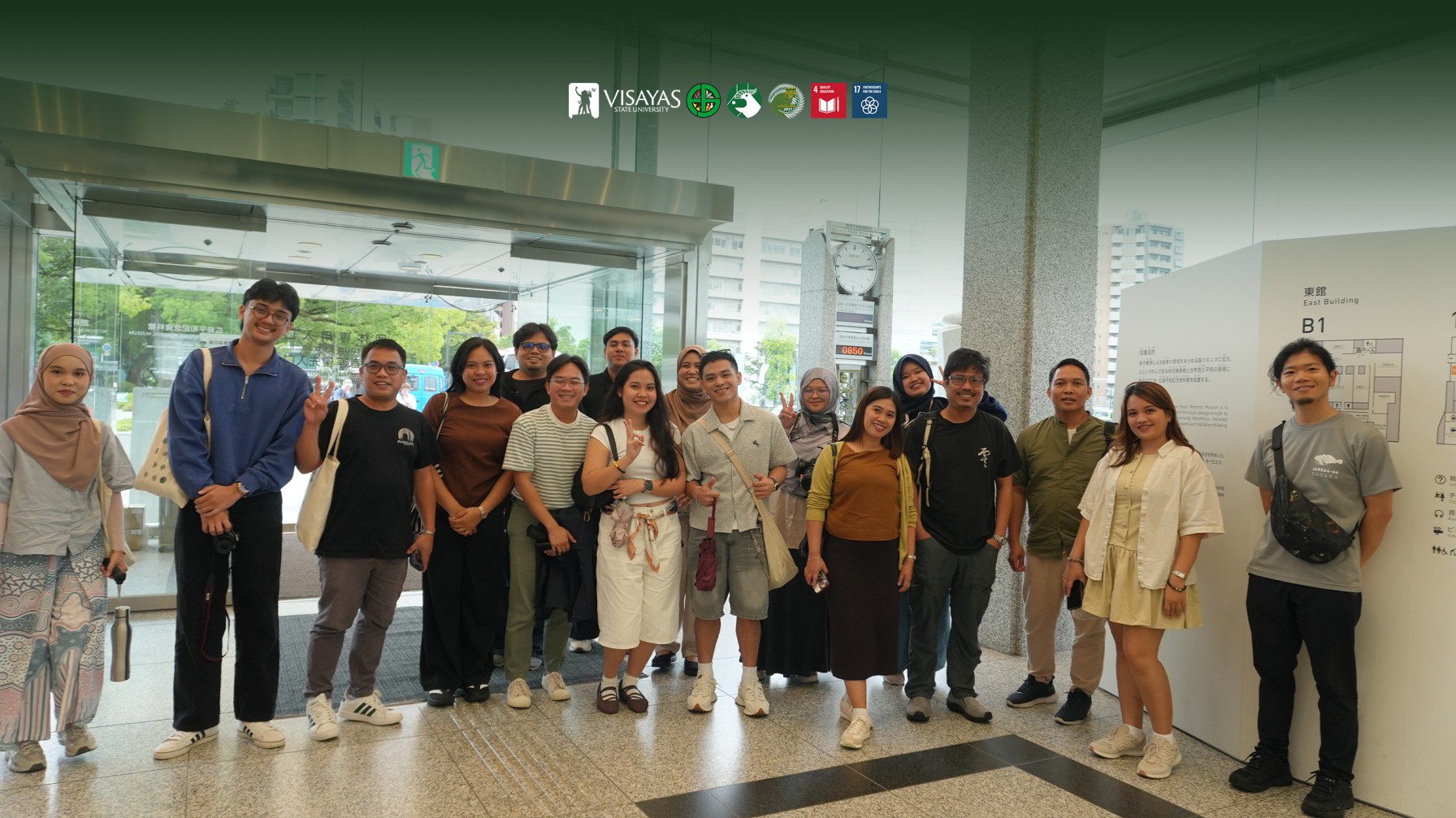
Aside from presenting their studies, VSU delegates also joined laboratory activities hosted by Dr. Yudai Inabu and the Animal Nutrition team of Hiroshima University. They received hands-on training in rumen fluid analysis, enteric gas determination, volatile fatty acid (VFA) analysis, and other techniques used to study how animals digest and process feed.
One of the important techniques introduced during the training was gas chromatography, which helps measure volatile fatty acids produced during digestion. The delegates also learned how to measure methane production and assess the nutritional value of forage resources used as animal feed.
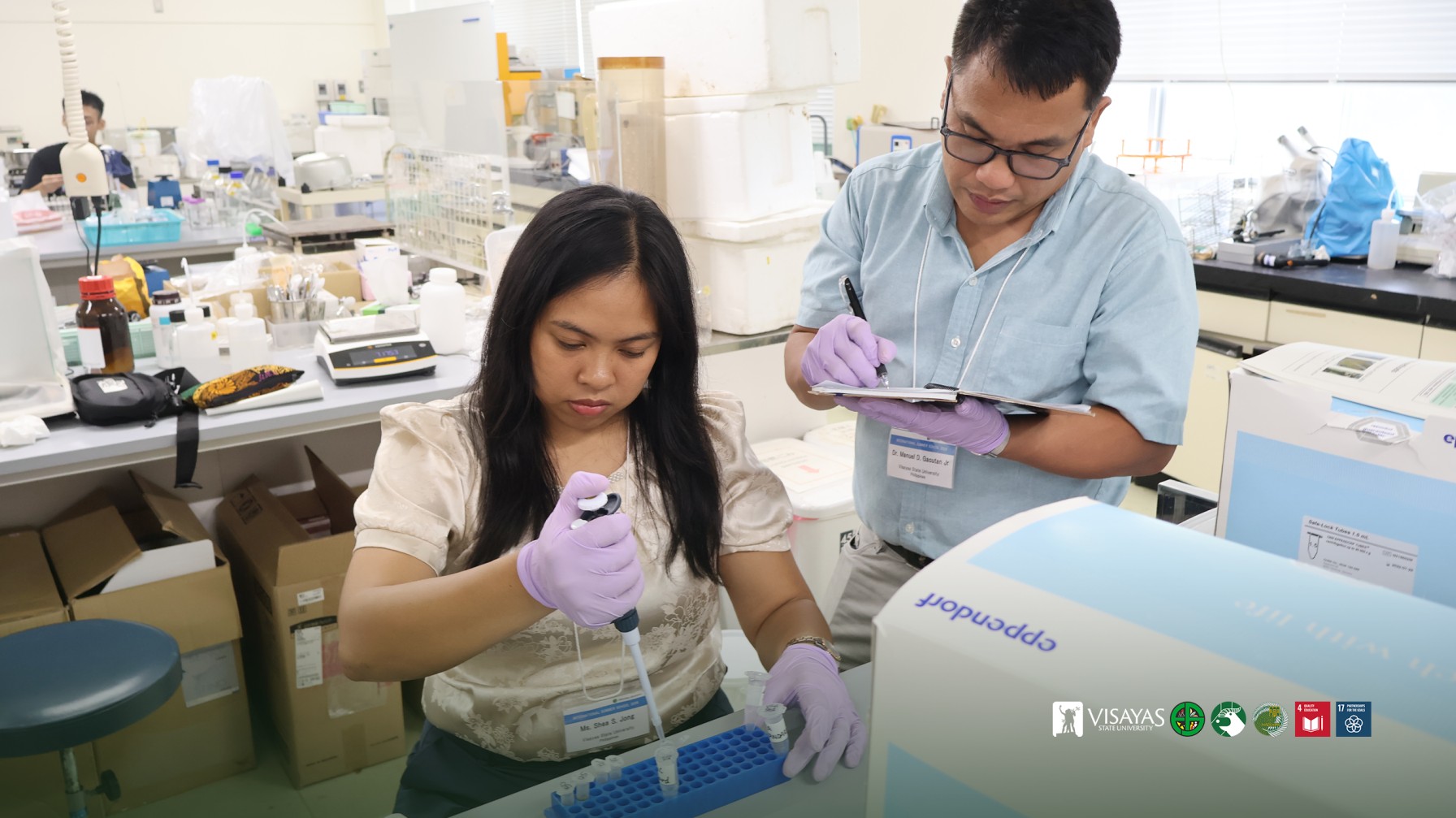
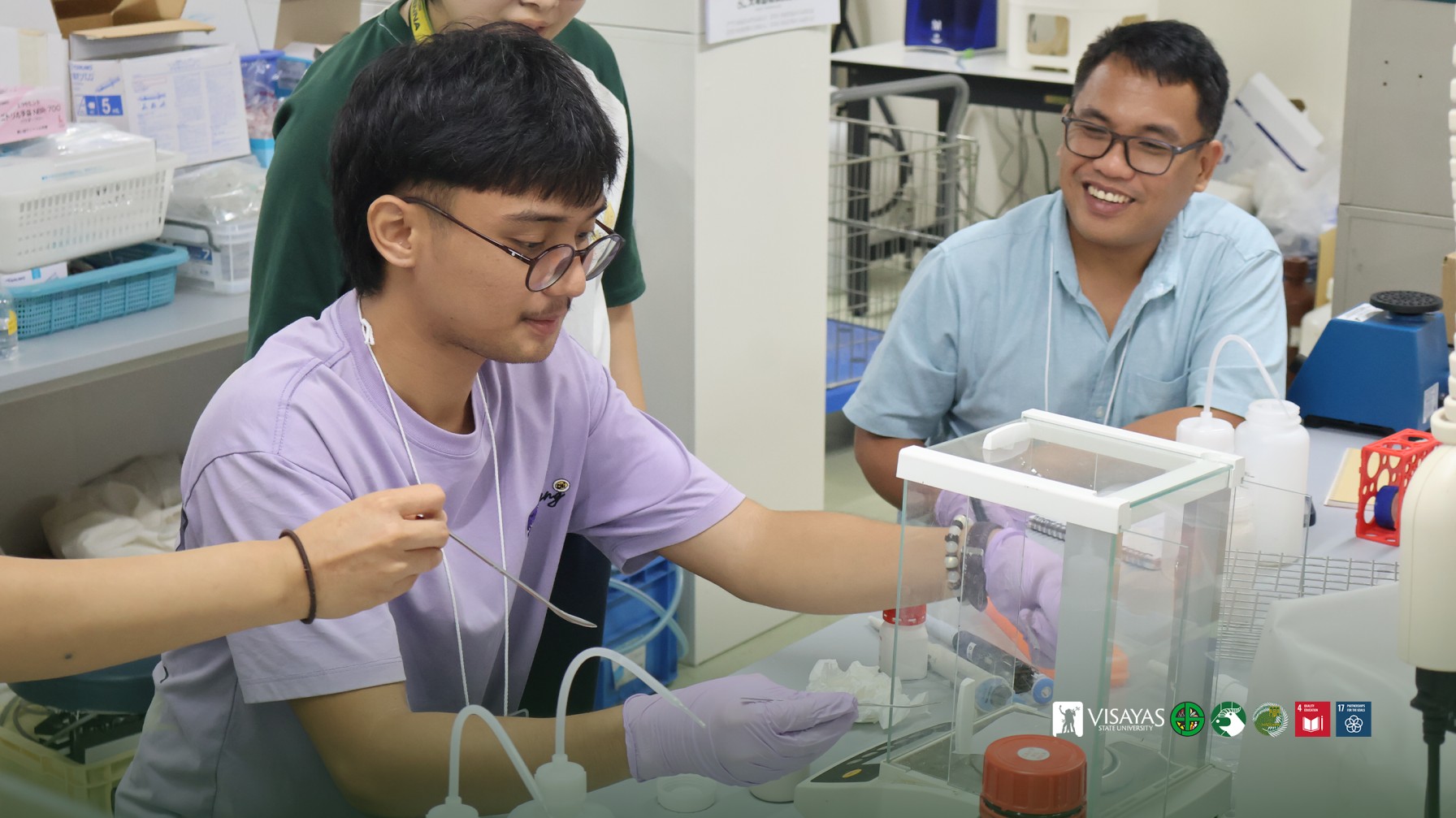
These techniques are important in understanding how animals use their feed and how livestock production can become more efficient while reducing its impact on the environment.
According to Dr. Gacutan, the knowledge gained from the training can be shared with fellow faculty members, researchers, and students at VSU.
“The knowledge and skills gained can be integrated into teaching and shared with fellow faculty members, researchers, and students at VSU to strengthen their understanding of advanced analytical techniques in ruminant nutrition research.” Dr. Gacutan said.
While applying some of the techniques would require specialized laboratory equipment, the experience provides opportunities to develop future research activities with HU.
The delegates were also introduced to other research areas, including avian developmental biology, molecular sex determination, and crustacean aquaculture. These activities allowed them to learn about other scientific approaches and research opportunities beyond their main field of study.
The summer school, according to Dr. Gacutan, was also an opportunity to present the ongoing institutional research initiatives and exchange ideas with international researchers.
“The experience broadened the participants’ academic perspectives and deepened their appreciation of the diverse research expertise, innovations, and capabilities of institutions from different countries,” he said.
Looking ahead, Dr. Gacutan sees opportunities to expand the collaboration, particularly in animal nutrition and animal genetics.
“Ultimately, this partnership can contribute to strengthening VSU's research capabilities and advancing sustainable and climate-resilient livestock production, particularly in the Philippines,” Dr. Gacutan stressed.
He also hopes to involve more Hiroshima University researchers in VSU's graduate programs as co-supervisors and members of graduate advisory committees.
The HU-VSU partnership enables sharing of research expertise and developing practical solutions to improve livestock production in the Philippines.
“The strengthened partnership between VSU and Hiroshima University (HU) presents valuable opportunities to expand joint research, scientific publications, and academic exchanges, particularly in animal nutrition and animal genetics, where both institutions have complementary expertise,” Dr. Gacutan said in an interview.
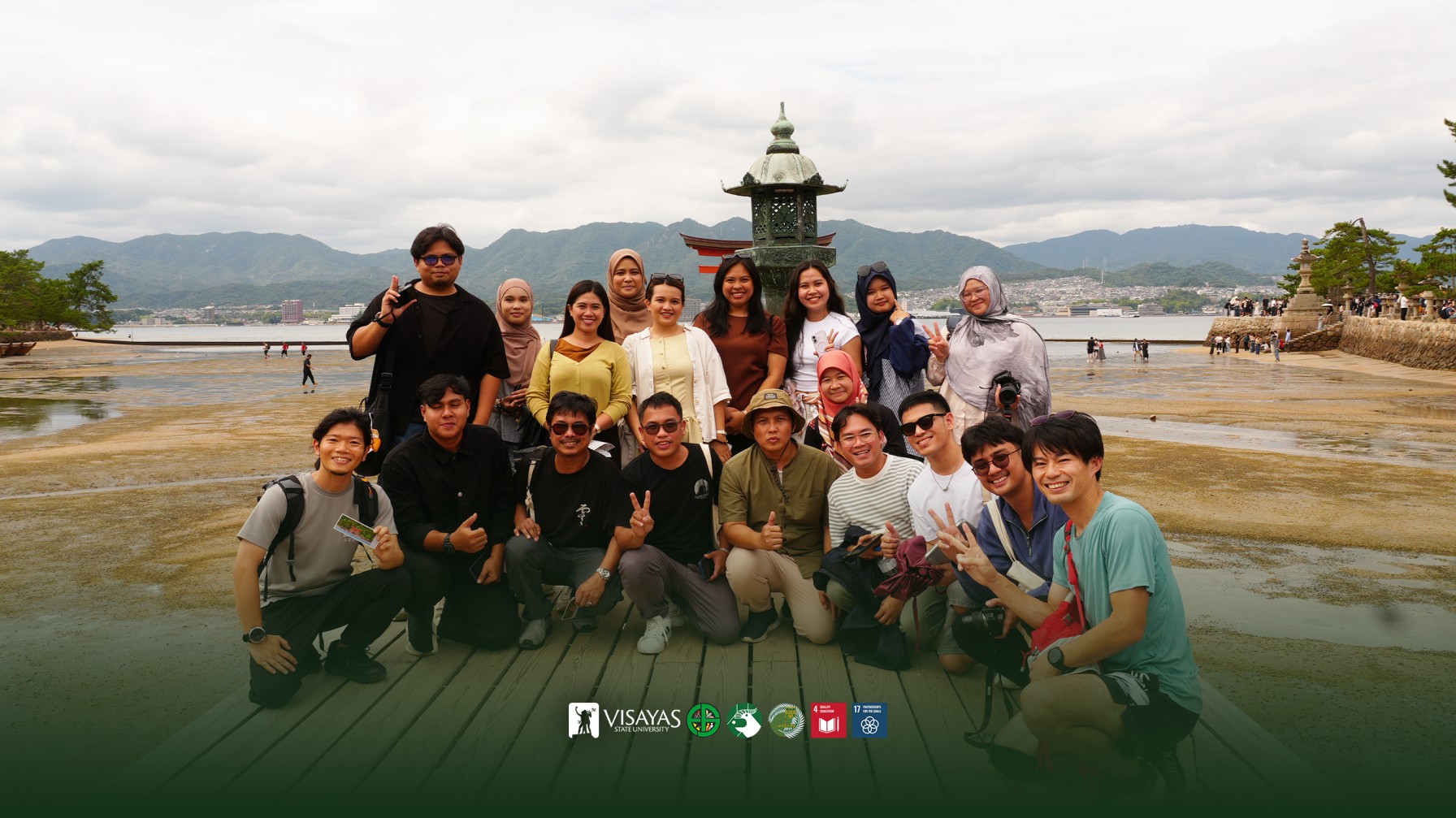
VSU delegates also visited the Hiroshima Peace Memorial Park and Miyajima Island, where they learned more about Japan's history, culture, and resilience.
With nearly 15 years of partnership, VSU and Hiroshima University tighten their academic bond and explore more opportunities for collaboration. Through these efforts, both institutions aim to advance research, improve education, and contribute to addressing global sustainability challenges.
This article is aligned with the United Nations’ Sustainable Development Goals 4: Quality Education, SDG 17: Partnerships for the Goals.