
#GoingGlobal: VSU Climate Change Center Director returns from postgrad in Geneva, Switzerland, eyes further international research collaborations
- Details
- Written by Michael Carlo C. Villas
-
Published: 03 August 2026
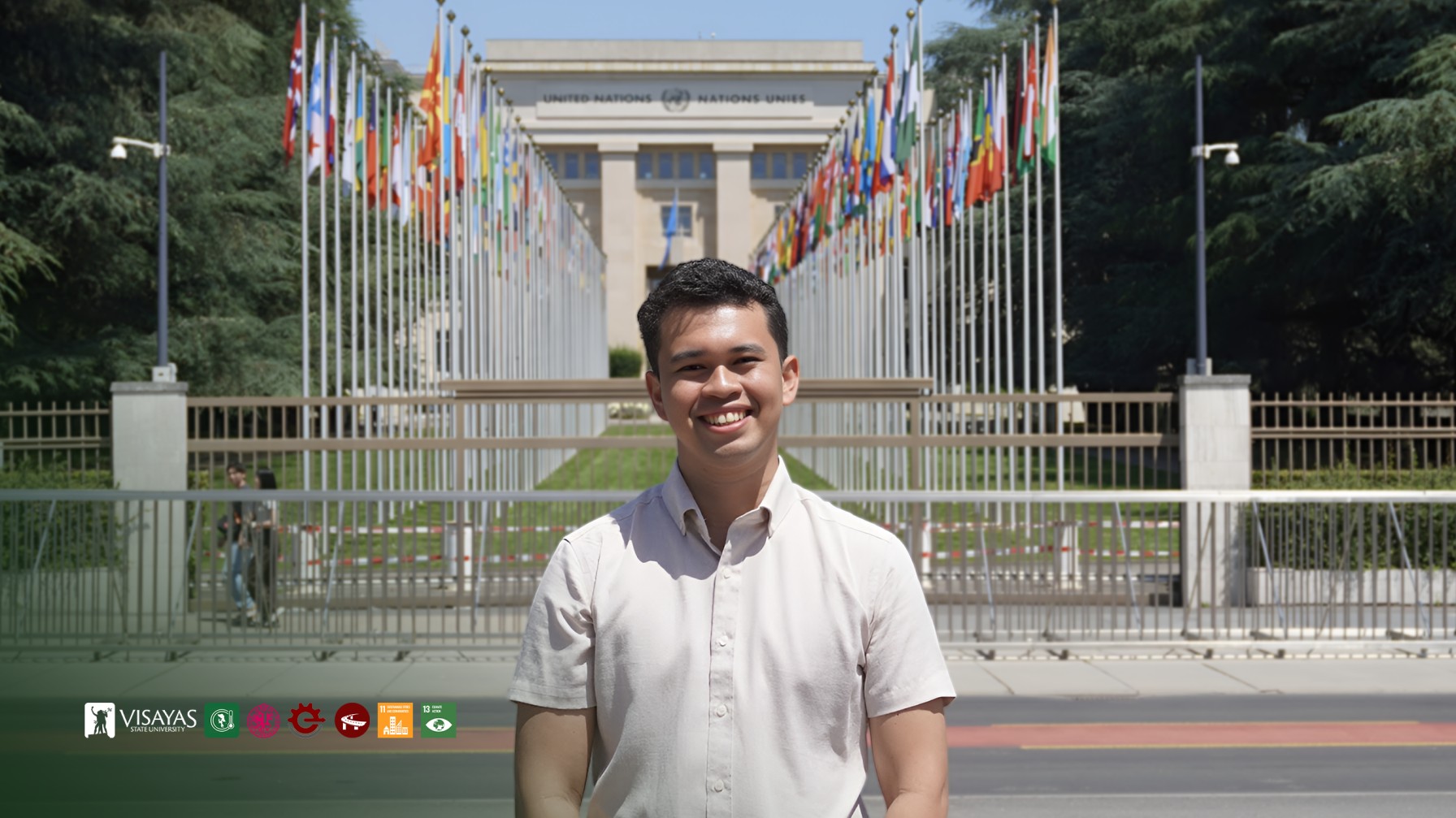
Engr. John Christan L. Gaviola, Director of the Visayas State University Regional Climate Change Research and Development Center (VSU RCCRDC) and a faculty member of the Department of Civil Engineering, recently returned from a Specialization Certificate in the Assessment and Management of Geological and Climate-related Risk, a postgraduate specialization program offered by the University of Geneva in Switzerland that ran from April 27 to July 17, 2026.
With funding for participation from the Swiss Confederation through the Diretion des affaires internationales-Geneva Direction alongside support from Fondation Hans Wilsdorf, Engr. Gaviola was the only Southeast Asian in attendance, the 7th Filipino to be granted the fellowship since the first one in 1992, and one among 16 participants from various countries in the 37th edition of the prestigious postgraduate program.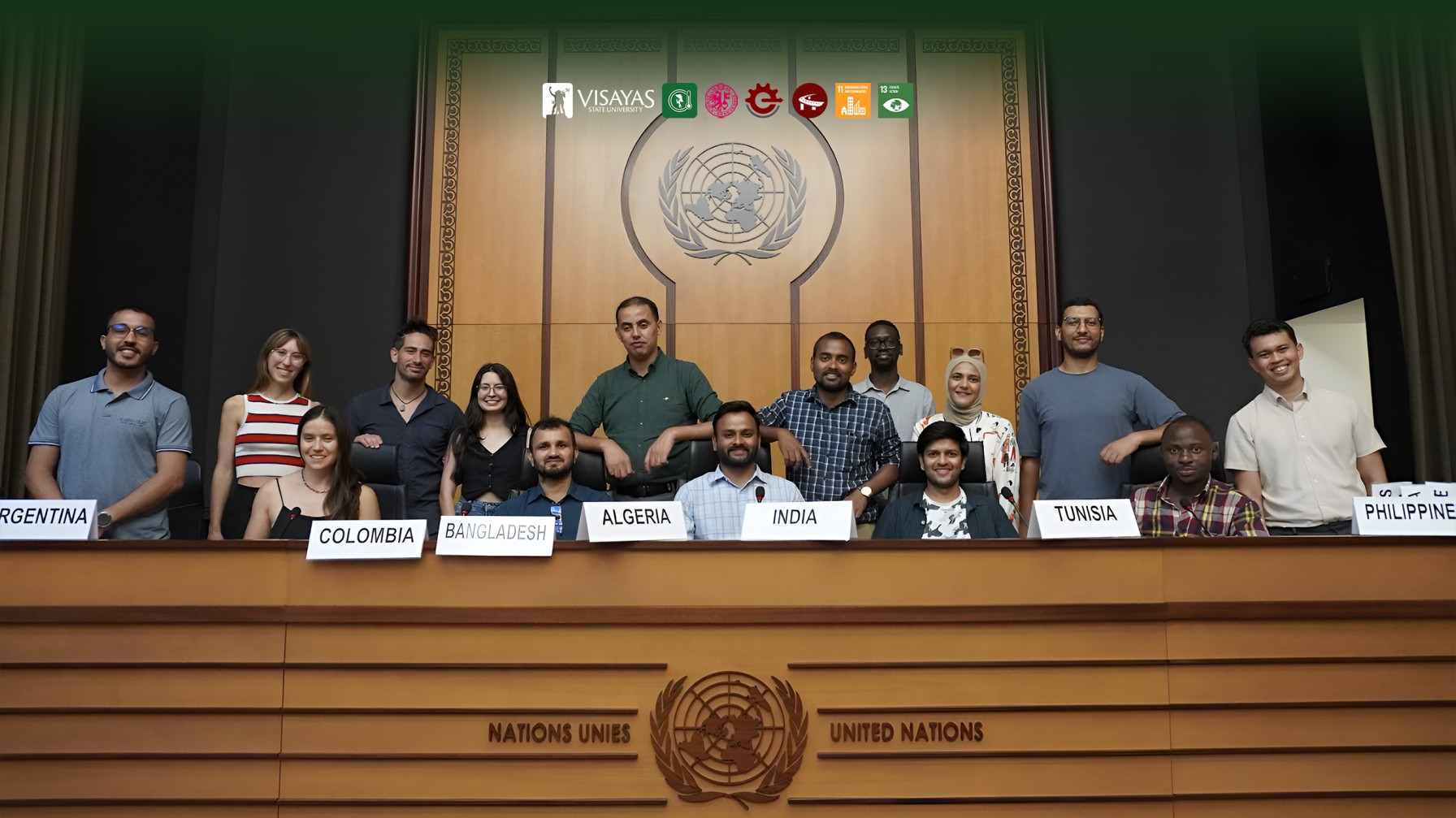
Having first learned of the program in a geo-disaster resilience training in Taiwan in 2023, he immediately took interest in it because of its sterling reputation, intensive fieldwork, and multidisciplinary approach.
He was quick to add that growing up in Saint Bernard, site of the Guinsaugon landslide in 2006, left a lasting impression on him.
“Since then, I’ve always wanted to understand why disasters like that happen and what we can do to reduce their impacts,” he said.
“What attracted me to the postgraduate specialization program was that it aligned closely with the work I’m already doing in VSU. I’m involved in projects on landslide assessment, climate change, and community resilience, so I wanted to gain a stronger foundation in integrating engineering, climate science, and disaster risk management,” he explained.
The program consists of modules in risk management, hazards and risks related to floods and climate change, seismic risk, landslide risk, and volcanic risk. It requires fieldwork, completing a research project at the University of Geneva, and attending lectures given by international experts in geological and climate-related risk.
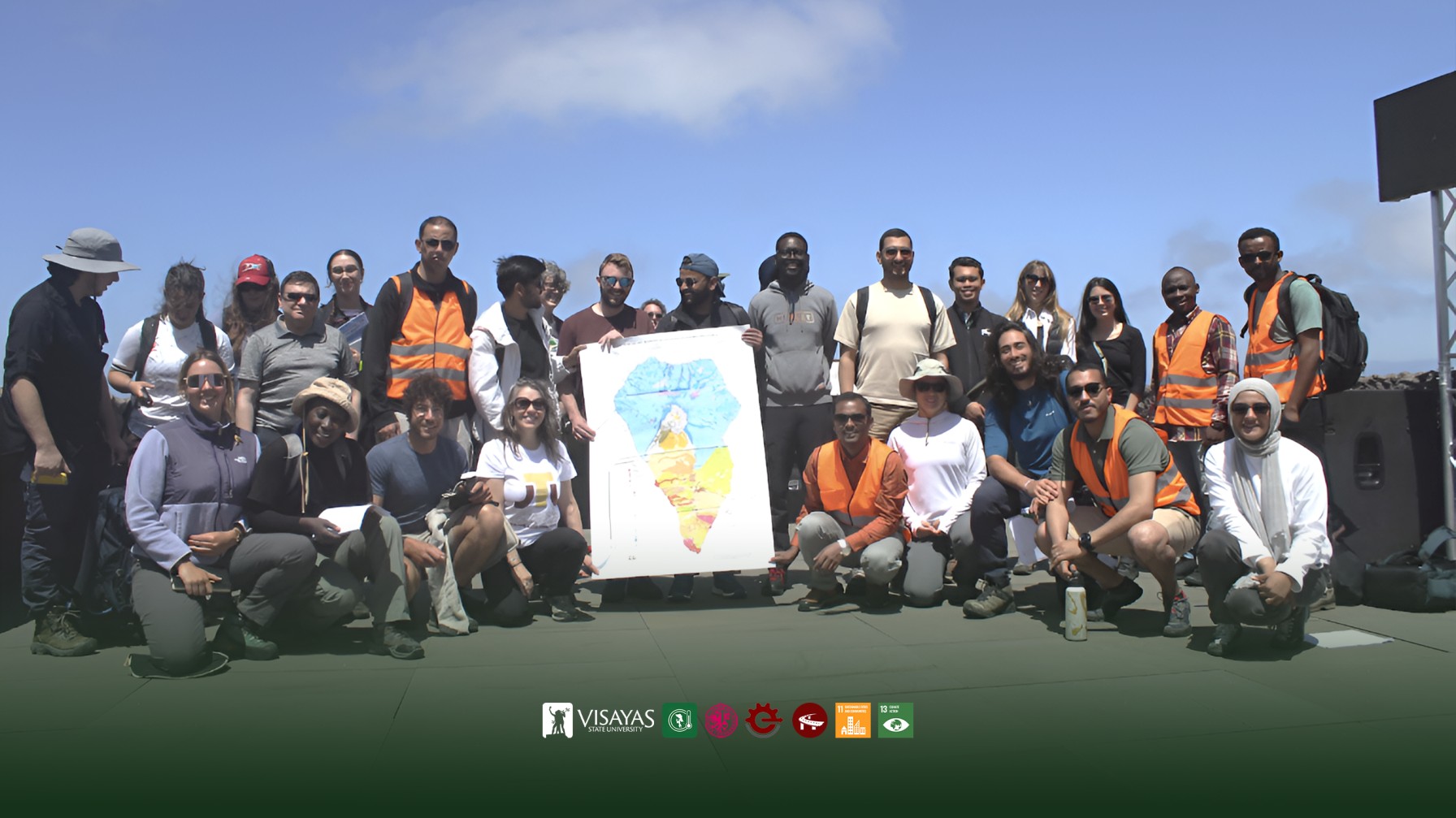
He related that his fieldwork was in Canary Islands, Spain where they studied “volcanic hazards and the impact of the 2021 eruption.”
“One of the biggest takeaways of the program, for me, was realizing that disasters are rarely caused by a single hazard. The program really emphasized the concept of cascading effects, where one event can trigger a series of other hazards and impacts compounded by vulnerability and exposure,” he revealed.
“As a geotechnical engineer,” he reflected, “I used to focus mainly on slope stability or failure, but the program helped me see the bigger picture—how landslides interact with floods, infrastructure, communities, and even long-term recovery. I think this perspective is highly applicable in the Philippines, especially in Eastern Visayas, where multiple hazards often occur together, especially during typhoons.”
Engr. Gaviola hopes to bring a more interdisciplinary approach to disaster risk, particularly in three university-funded projects he is currently involved in: Geo+Met Slope which, in the near future, will develop a framework for analyzing slope failures, and Project SIGURADO and Project CORE, short for Communities for Resilience, whose aim is to strengthen community-based disaster-preparedness and resilience.
“Managing disaster risk involves identifying practical strategies to reduce risk through nature-based solutions, engineering interventions, reducing exposure and vulnerability, land-use planning, early warning systems, and making informed, proactive decisions before disasters occur,” he stressed.
With plans to expand collaborations that address the challenges of climate-related disasters, he also eyes on conducting studies on landslide susceptibility using projections and quantitative and semi-quantitative analyses and early warning systems with experts from the University of Geneva and University of Zurich.
For Engr. Gaviola and the Regional Climate Change Research and Development Center, this spells more international engagements where climate science advances knowledge and serves communities.
This article aligns with Sustainable Development Goal (SDG) No. 11: Sustainable Cities and Communities and SDG No. 13: Climate Action.