
Saving Minamanwa Project turns over pioneering, participative mini-workbook to DepEd-Maasin, Mamanwa community
- Details
- Written by Bethlehem Ponce and Elmera Y. Bañoc
-
Published: 05 August 2026
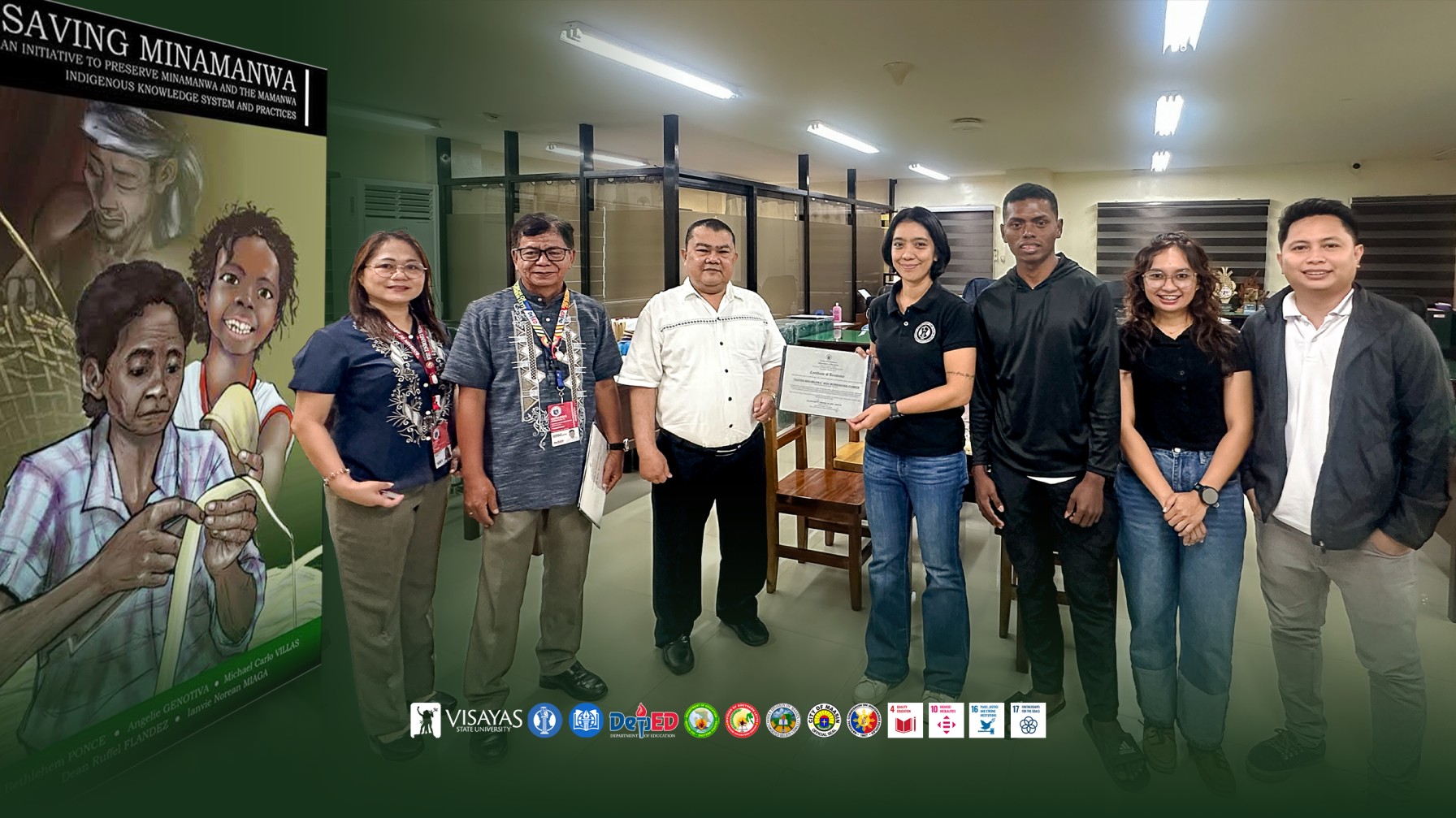

The Visayas State University Department of Philosophy and Social Sciences (VSU DPSS) extension project, Saving Minamanwa: An Initiative to Preserve Minamanwa and the Mamanwa Indigenous Knowledge Systems and Practices, officially turned over the Saving Minamanwa mini-workbook to the Mamanwa community and the Department of Education (DepEd) Division of Southern Leyte last July 20, 2026 at the DepEd Division Office, Mantahan, Maasin City, Southern Leyte.
The mini-workbook is the first-of-its-kind supplemental learning material tailored specifically for indigenous learners.
Saving a Language and Culture
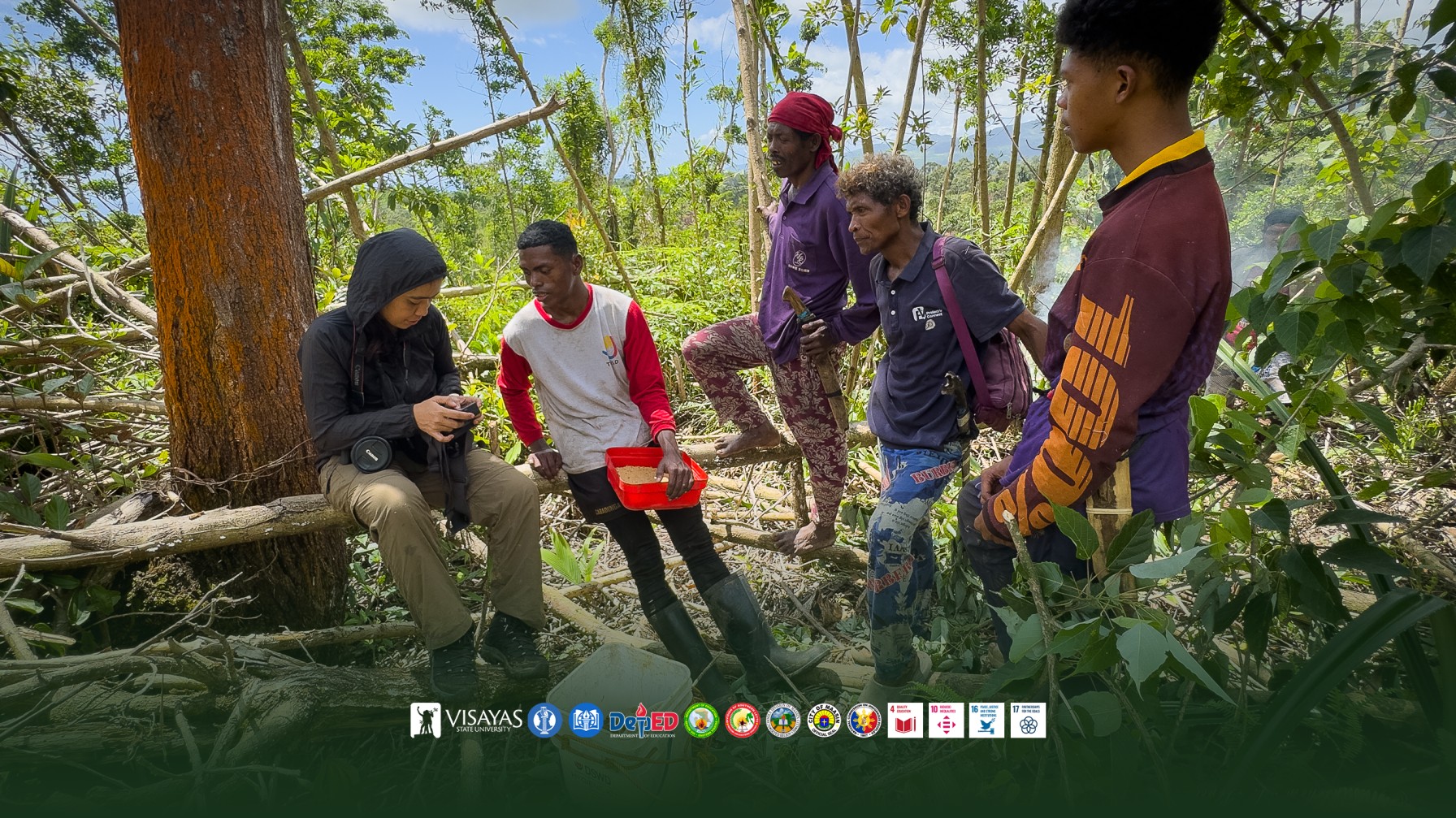
A result of her dissertation on the Indigenous Knowledge Systems and Practices (IKSP) of the migrant Mamanwa in Southern Leyte and how development interventions affect the perpetuation of their language and IKSP defended for a doctorate in Anthropology at the University of San Carlos in 2019, Saving Minamanwa is an extension project marked by early observations on the vulnerability of the Minamanwa language and culture, as it brushes against the tides of assimilation.
With an ethnography that spanned seven years, the dissertation revealed a gap between the promises of IPEd and the classroom experiences of Mamanwa students due to factors such as teachers’ limited access to IKSP through contact with community elders, their absence of command of the language of their IP learners, and the volume of paperwork that eats up time which could have been used to interview elders and integrate their knowledge into lesson plans.
Forced assimilation also turned out to be one of the gravest causes for the dwindling numbers of Minamanwa speakers despite policies that supposedly protect the integrity of indigenous cultures.
“Once a group starts to lose its culture, they risk losing their self-determination,” Dr. Ponce stressed.
Dr. Ponce further related how she saw the potential of sustaining IKSP and empowering Indigenous Peoples, with its success dependent on how Indigenous Peoples Education (IPEd) projects are implemented.
This ignited the start of Saving Minamanwa, an initiative that eventually produced a mini-workbook in the form of a comic book where Mamanwa IKSP are told in overlapping stories based on actual ethnographic data.
Pedagogy of the Margins
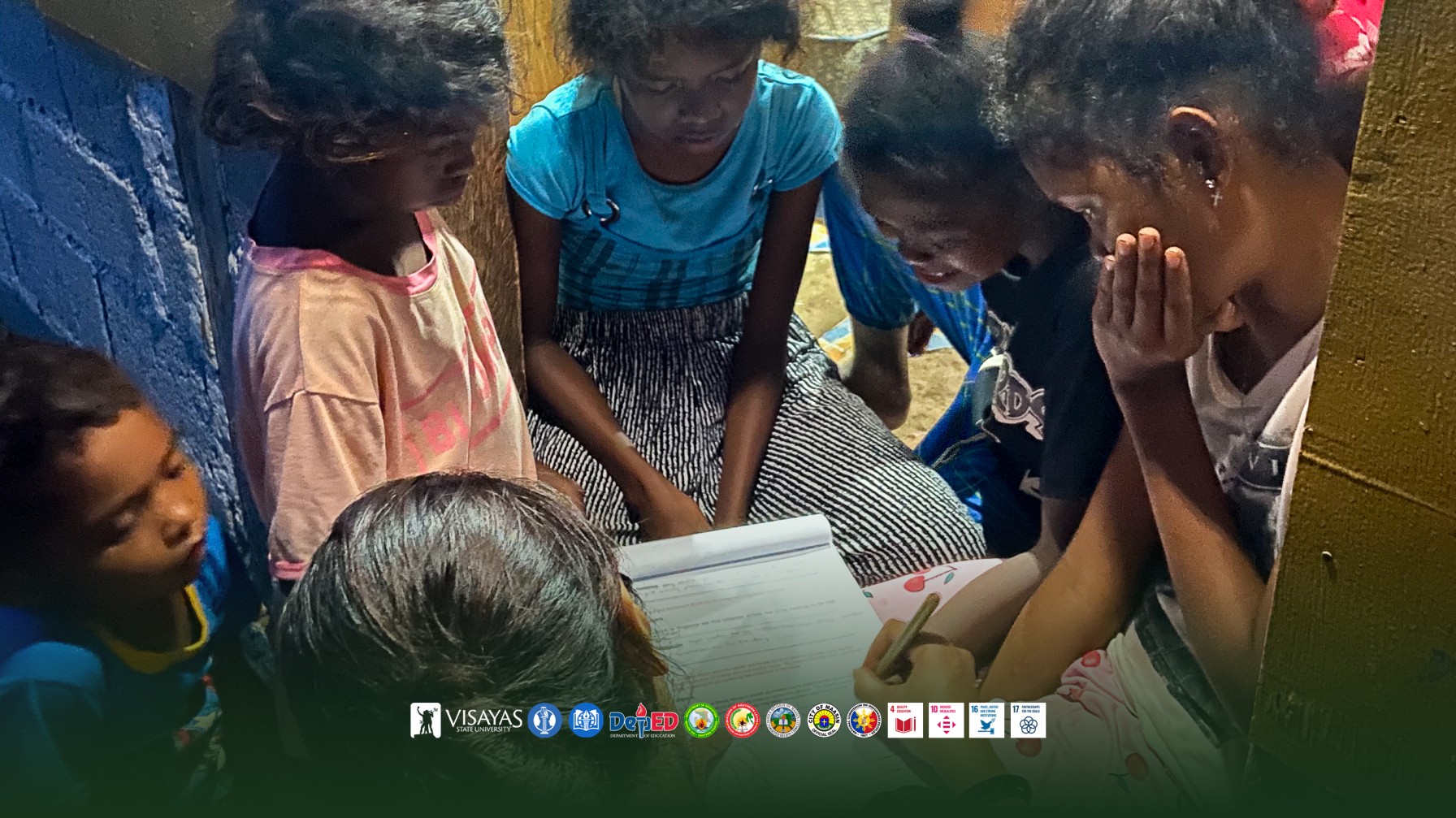
With an extension project grant from Visayas State University, the project team conducted two workshops. The first workshop prioritized capacitating Southern Leyte's IPED educators.
This was followed by a consultative and evaluation workshop where DepEd IPEd teachers, the DepEd IPEd focal person, Emmanuel Gerardo, and representatives from the Mamanwa community, collectively served as functional resources in the development of instructional and educational materials.
Dr. Eduardo Legantin, the Education Program Supervisor of the Learning Resource Management Section (LRMS) at the Department of Education Schools Division of Southern Leyte served as resource person during the workshop.
The synthesized outputs were subjected to another comprehensive appraisal by Dr. Legantin.
On why basic education should care about the education of our Indigenous Peoples and the preservation of their languages and cultures, Dr. Ponce emphasized that education is not a privilege but a fundamental human right.
“Culturally responsive education serves as a critical mechanism to safeguard heritage, prevent ethnocide, and empower marginalized communities. By integrating IP languages and IKSP into the curriculum, basic education fosters genuine inclusivity, protects cultural integrity, and provides equitable opportunities for self-determination,” she said.
In a similar vein, why should higher education be involved in the education of IPs and the cultivation and promotion of their languages and cultures?
To this, Dr. Ponce responded: “The cause of the IPs and the challenges of preserving their language and culture are supposedly a shared responsibility in Philippine society. Higher education institutions hold a unique societal responsibility and the necessary resources to protect marginalized heritage. VSU can strengthen the implementation of IP Education by the DepEd through its research capacity, academic expertise, and interdisciplinary tools necessary to document and revitalize endangered languages and cultures.”
Writer and literary critic, Assoc. Prof. Michael Carlo Villas of the Department of Arts, Languages, and Literature (DALL) developed the narrative content of the mini-workbook, utilizing ethnographic findings to draft stories in English, which were then translated into the indigenous tongue by selected members of the migrant Mamanwa community of Southern Leyte in coordination with Dr. Ponce, Asst. Prof. Angelie Genotiva, and Instructor Ianvie Norean Miaga, all of DPSS.
DPSS Asst. Prof. Dean Ruffel Flandez, a practising visual artist himself, conceptualized and did the illustrations, using original research photographs as a foundation for the visuals.
The bilingual resource, in the form of a comic, in both the mother tongue and English, reconciles formal pedagogy with lived experience, ultimately cultivating stronger student participation while offering authentic and relatable learning experiences.
Extension Work as Service
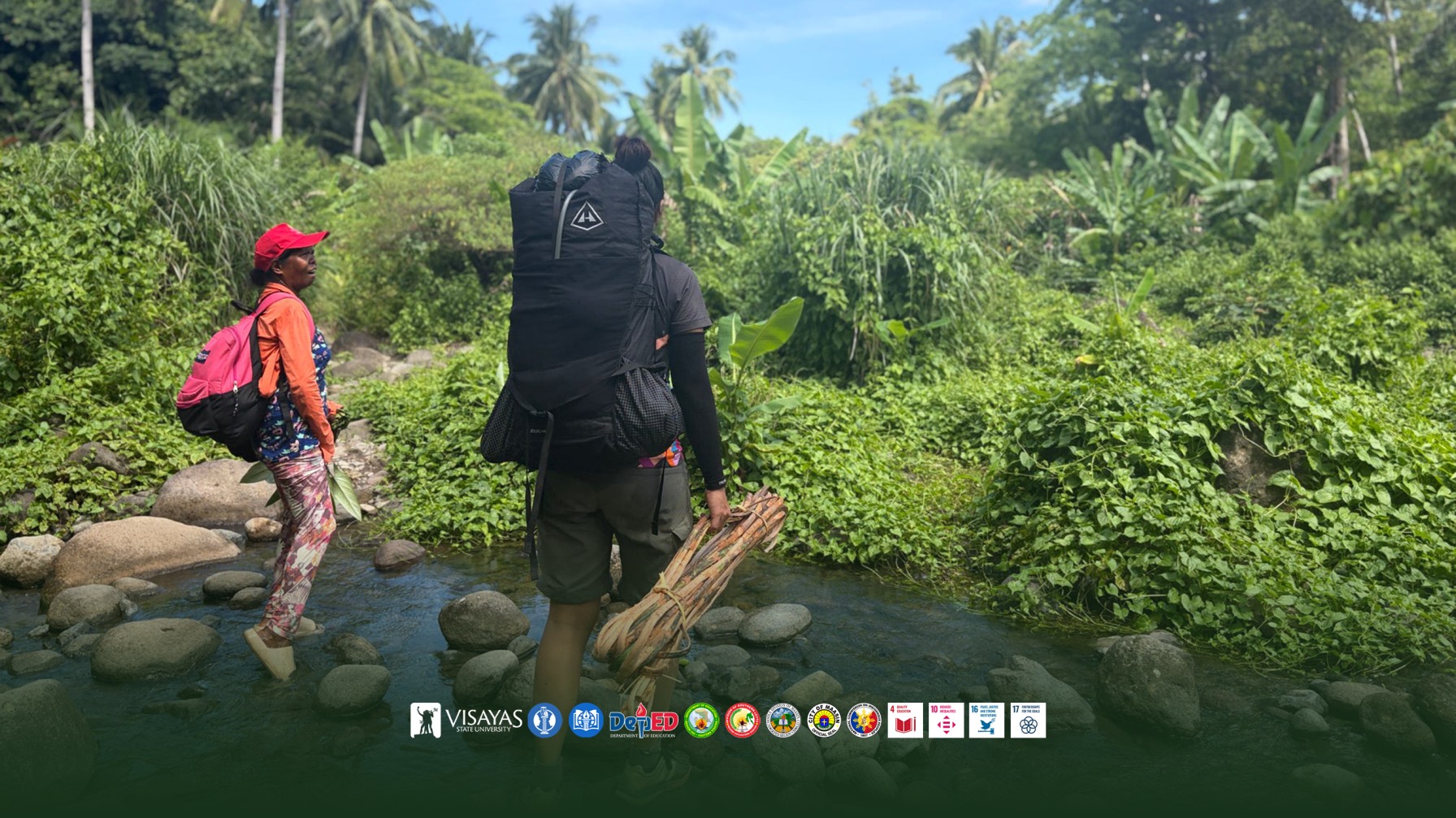
Saving Minamanwa stands as a significant milestone in localized education, bridging the gap between traditional Mamanwa heritage and modern pedagogy.
“As a research institution, our service does not end in publishing our works and contributing to the academic community. True service is reaching communities beyond by translating scientific research into projects that directly bridge the gap between innovation and marginalized sectors like Indigenous Peoples,” Dr. Ponce said.
“I only wish one thing: to give back to the Mamanwa my research findings in whatever way possible and to expand the project regionally to maximize community impact,” she added.
The project team is currently looking into possibilities of replicating its efforts in other migrant Mamanwa communities in Biliran and other Leyte towns and to reach out to other indigenous groups such as the Sama Bajau.
By integrating indigenous perspectives into the formal classroom, the Saving Minamanwa project not only preserves vital cultural practices but also fosters a more inclusive learning environment for Mamanwa students across Southern Leyte and empowers the long-marginalized indigenous peoples of the Philippine archipelago.
This article aligns with Sustainable Development Goal (SDG) No. 4: Quality Education; SDG No. 10: Reduced Inequalities; SDG No. 16: Peace, Justice, and Strong Institutions; SDG No. 17: Partnership for the Goals.