





Vis-Min aggie academicians, researchers and students convene at VSU
Dr. Victor B. Asio, dean of the College of Agriculture and Food Science (CAFS), lauded the organizers for coming up with such a training that would promote the agriculture industry, specifically in horticulture, not only among the stakeholders but even those who are advocates in improving and developing the horticulture program of the country. The CAFS Dean expressed his full confidence to the faculty and staff of the Department of Horticulture (DOH) headed by Dr. Antonio L. Acedo Jr. that they will excellently carry-out the training as what they did in previous trainings the department had conducted. "Trainings conducted by DOH are really excellent trainings and the way they presented their reports are worthy of emulation. In fact, they served as models to all other departments under CAFS," Dr. Asio said. He added that the CAFS, through the CHED Center of Excellence Grant, also funded the training.
Participated in by some representatives from the Department of Agriculture of the Autonomous Region of Muslim Mindanao, Negros Oriental State University, Bohol Island State University, Cebu Technological University, Northwest Samar State University, Eastern Samar State University, Maasin City Colleges, Horticulture Philippines, the private sector, DA-Leyte and Southern Leyte, DA-RFU 8, and VSU, the training enabled the participants to be more competent and creative in horticulture technology assessment, development and commercialization.
According to Dr. Acedo, they thought of conducting a training such as this not only on research but the complete process of development—from research to develop technique, research to amplify and validate the technique to become a technology or a mature technology, and dissemination or commercialization of technologies.
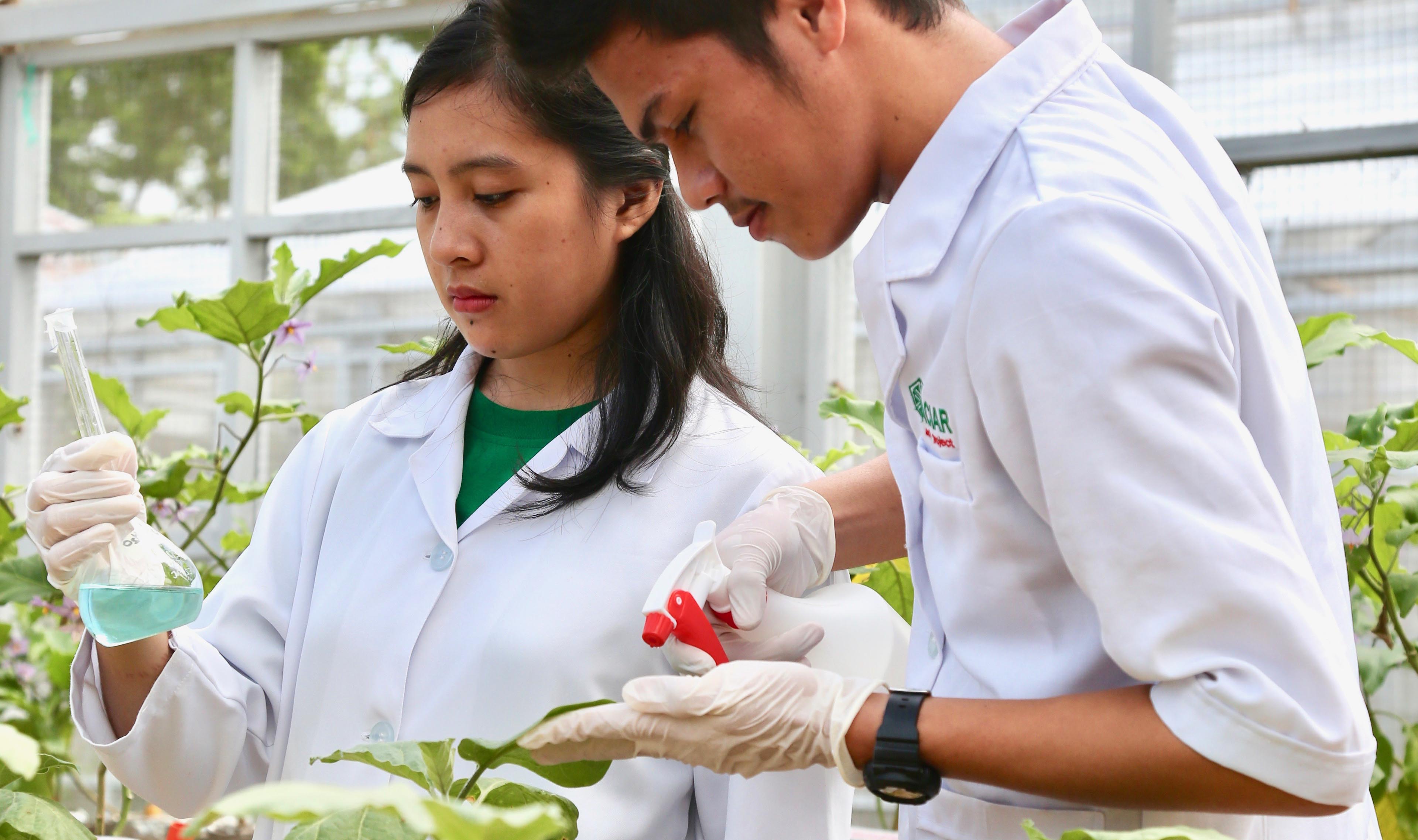
Moreover, the training expanded the participants' knowledge and skills in research and technology development for horticultural crops, enriched skills in the communication of research findings and commercial application of horticultural technologies, and promoted networking in horticulture research for development.
The training was carried-out through lecture-discussion with competent speakers, workshops, hands-on exercises, and one-on-one engagement.