
Content (Main)
- Details
- Written by Visayas State University
-
Published: 13 September 2013
Invitation to Bid
Notice of Award
Awarded Contract
Notice to Proceed
- Details
- Written by Visayas State University
-
Published: 13 September 2013
The VSU GIS Services is an institutional innovation created in early 1990's with funding coming from ViSCA-GTZ Ecology program and the IRRI-ADB Upland Rice Consortium program. In early 2000, realizing the potential of GIS applications in agricultural research and development program of VSU, the Office of the Director for Research and Development created a committee to pool together the existing facilities and equipment on GIS and recommend policies and courses of action to establish a working GIS laboratory. Thus, in December 2000 the VSU GIS laboratory was formally launched.
Services Offered
The table below shows the services offered by the VSU GIS Laboratory:
|
SERVICES OFFERED
|
RATES |
| 1. ArcView GIS Training (5 days) (Maximum 6 pax per trainer) Dinner, breakfast and accomodation of participants are not included |
PhP 7,300.00/Participant |
| 2. Specialized Advance GIS Training (1 day)-Spatial Analyst, 3D Analyst, Web GIS, etc. (Maximum 6 pax per trainer) Dinner, breakfast and accomodation of participants are not included |
PhP 1,600.00/Participant |
| 3. GPS Hands-On Training (2 days) (Maximum 6 pax per trainer) Dinner, breakfast and accomodation of participants are not included |
PhP 2,200.00/Participant |
| 4. Other services | |
| a) Map Lay-outing | PhP 100.00 |
| b) Data Processing and Visualization | PhP 150.00/hr. |
| c) Printing using HP photo paper | |
| - Short/long Bond paper size | PhP 75.00 |
| - A3 (11.5" x 16.5") size | PhP 150.00 |
| - 36" x 52" | PhP 1,200.00 |
| - 42" x 60" | PhP 1,500.00 |
| d) Scanning | PhP 30.00/page |
| e) CD Writing (Including CD-R) | PhP 100.00/CD |
| 5. Special Projects for LGUs (i.e. GPS Survey, Tax Mapping, etc.) | Rate is based on Expected Output |
Note:
VSU Students, Faculty & Staff = 30% discount
LGUs = 20% discount
Region 8 GIS Network members = 30% discount
For further information, please write to:
Dr. Pastor P. Garcia
VSU GIS Services Unit
2nd Floor FaRMI Bldg.
Visayas State University
Visca, Baybay, Leyte 6521-A
Philippines
Or call Telfax. No. (63) (053) 335-2630
- Details
- Written by Visayas State University
-
Published: 08 September 2013
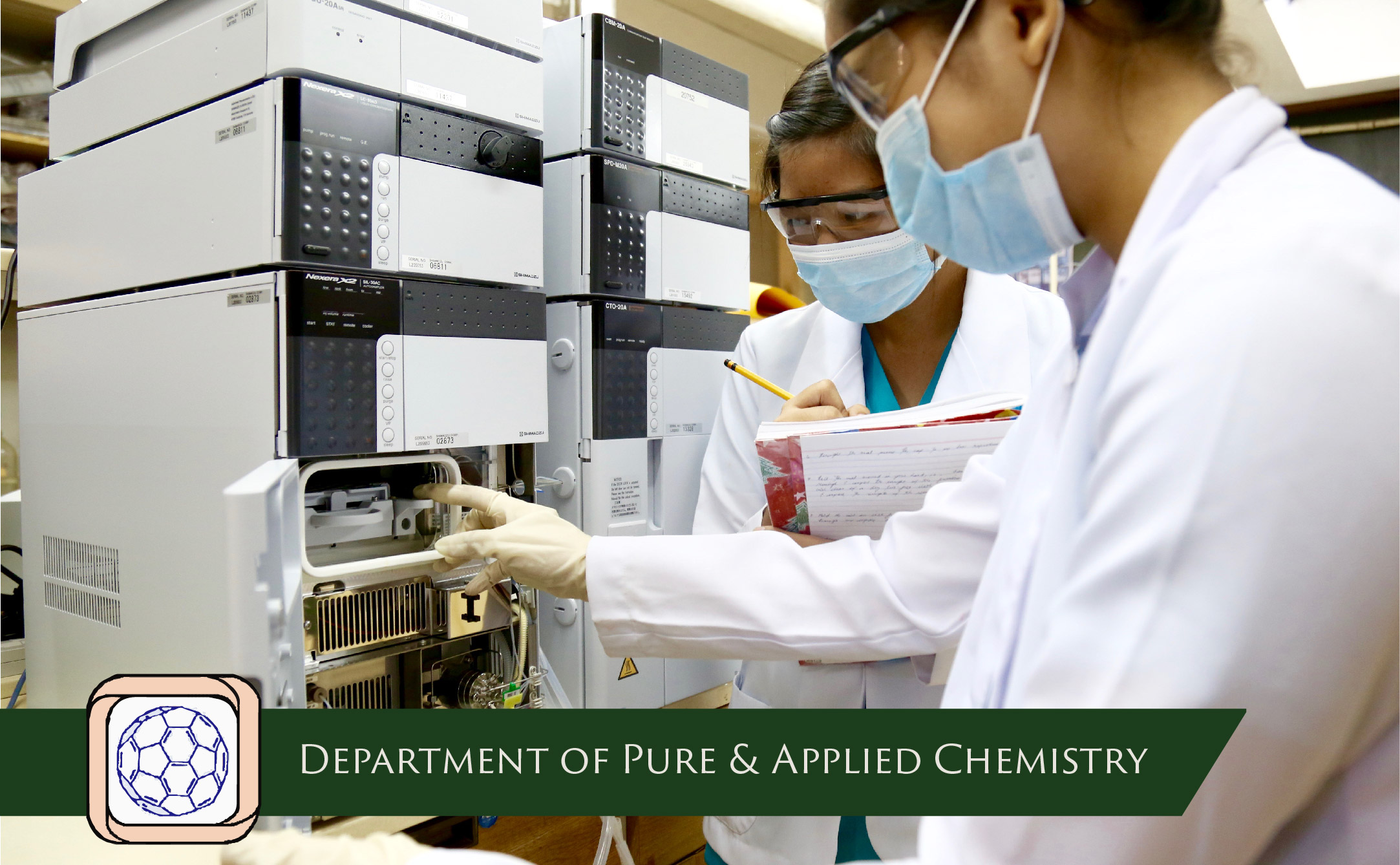
The Department of Pure and Applied Chemistry (DoPAC) is offering two undergraduate degree programs: the Bachelor of Science in Agricultural Chemistry (BSAC) and the Bachelor of Science in Chemistry (BSC). In tandem with the Department of Education, it is also offering Masters in Education with major in Physcial Sciences as well as graduate courses in Chemistry for M.S. Food Technology students.
Vision, Mission & Goals
Courses Offered
Bachelor of Science in Agricultural Chemistry
Bachelor of Science in Chemistry
- Details
- Written by Visayas State University
-
Published: 13 September 2013
The PDDL was established at Leyte State University (LSU) and now Visayas State University (VSU) with a collaborative funding from the Federal Republic of Germany under the GTZ Leyte Island Program for equipment and supplies, and the Government of the Republic of the Philippines. The Philippine counterpart is jointly funded by the Philippine Council for Agriculture, Forestry and Natural Resources Research and Development (PCARRD) for MOOE, the Department of Science and Technology (DOST), for Equipment, and VSU for Infrastructure and manpower. The PDDL is under the Office of Research and Extension, VSU.
A diagnostic Laboratory that could assist research centers in the supply of each clean planting materials to clientele and that could cater to the needs of farmers in the identification of important crop diseases was therefore necessary.
Capabilities of the Laboratory
PDDL offers early detection of diseases especially virus diseases of abaca. A DNA-based detection of abaca and banana bunchy top viruses (ABTV abaca_diseaseand BBTV) was optimized for PDDL using a virus-specific DNA oligonucleotide primer. This method was used for disease indexing tissue cultured abaca plant materials from the National Abaca Research Center (NARC) and diagnosing abaca leaf samples submitted by farmers.
PDDL also accepts for diagnosis other diseases of abaca and other plants in collaboration with the Pest Clinic of the Department of Pest Management. The laboratory conducts routine diagnosis of plant disease problems (based on symptoms and signs) for specimens that will be brought to the lab and recommend control measures to farmers. The PDDL staff can also do field visits of infested areas if necessary.
Services and Prices
| Type of Services | Charge/Sample |
| 1. Bunchy top virus DNA detection (PCR-based) | P 275.00 |
| 2. Routine Diagnosis through symptoms and signs | |
| - students/farmers | P 50.00 |
| - plantations | P 75.00 |
| 3. Pathogen identification | |
| a. Fungi | P 200.00 |
| b. Bacteria | P 300.00 |
|
4. Pathogen identification that needs isolation and culture of the
suspected pathogen in special media (genus level)
|
|
| a. Fungi | P 200.00 |
| b. Bacteria | P 400.00 |
| 5. Field Diagnosis/Visit of Farmers Field | P 50.00/samples/problem examined |
|
Note: transportation cost and meals of PDDL staff concerned
should be shouldered by the inviting person/group
|
|
| 6. Sale of pure fungal culture (including test tube) | P 200.00 |
| 7. Sale of pure bacterial culture (including test tube) | P 300.00 |
- Details
- Written by Visayas State University
-
Published: 08 September 2013

The Department of Mathematics and Physics (DMP) is mandated to offer all courses in mathematics and physics in college and senior high school. It also offers the Bachelor of Secondary Education program with two major fields--Mathematics and Physical Sciences--jointly with the Department of Science Education of the College of Education.
Vision, Mission & Goals
Courses Offered
Bachelor of Science in Applied Physics
Bachelor of Science in Mathematics
- Details
- Written by Visayas State University
-
Published: 13 September 2013
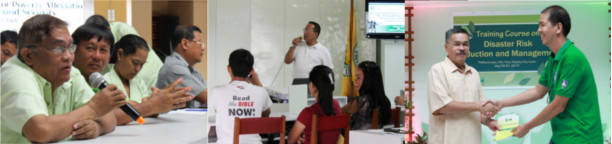
The Office of the Vice President for Research and Extension (OVPRE) is the university's coordinating arm for Research and Extension (R & E). It coordinates the implementation of the different R&D commodity programs and extension activities of the following research centers: Philippine Root Crops Research and Training Center (PhilRootcrops), National Abaca Research Center (NARC), Naitonal Coconut Research Center - Visayas (NCRC-V), Farm Resource and Management Institute (FARMI) and the academic departments.
OVPRE is managed by the Vice President for Research and Extension with support from the Director for Research and Extension Programs Office (REPO) and the Director for Research and Extension Technology Dissemination Office (RETDO). As a coordinating office, central support services for RD & E operation are also being carried out through its following service units: Information Communication Technology Unit (ICTU), Central Analytical Service Laboratory (CASL), Geographic Information System Service Unit (GISSU), Technology Management Unit (TMU), Site Development and Management Unit (SDMU), Radio Station DYAC, and Annals of Tropical Research (ATR). It also functions as the main collaborating unit with the Visayas Consortium for Agricultural Resources Research and Development (VICARP) and the CHED Zonal Research Center –Visayas III (Region 8).
Vision
Globally competitive and sustained growth in agriculture and allied fields through excellent and relevant R & D.
Mission
Research: Generation of knowledge and technologies for sustained growth and global competetiveness in agriculture, fisheries, forestry and agri-industries.
Extension: Application of appropriate knowledge and technologies to improve and sustain productivity and growth of agriculture, fisheries, forestry and agro-industries.
10 point Agenda
- Rationalizing VSU research investment.
- Increasing science and strategic value of VSU researches.
- Upgrading human resource capabilities.
- Maintenance and upgrading research facilities.
- Strengthening information and technology dissemination.
- Exploiting benefits of information communication technology.
- Improving project development capability and system monitoring and evaluation.
- Increasing productivity in RD&E.
- Protecting and commercializing knowledge products.
- Forging innovative partnership with the industry/private sector
R&D Commodity Priorities and Areas
- RDE responsibilities
- National: Rootcrops, Abaca, Coconut, Biofuel and Environmental Services
- Zonal: Corn, Fisheries, Jackfruit
- Regional: Agro-forest trees, Livestock, Rice, Vegetables
- Leyte Province: Socio-economics, Ecology
- RDE Commodity Programs
- Abaca
- Biofuel (Jatropha)
- Cereals and Legumes
- Coconut
- Education, Sociology, Economics and Special Concerns
- Forestry
- Health (pharma/ food)
- Jackfruit
- NRM Services
- Poultry and Livestock
- Rootcrops
- Sustainable Organic Agriculture
- Vegetables
- R&D Areas/ Disciplines
- Applied Rural Sociology, Economics and Special Concerns
- Biofuel
- Botanicals for Disease Prevention (for livestock)
- Details
- Written by Visayas State University
-
Published: 08 September 2013
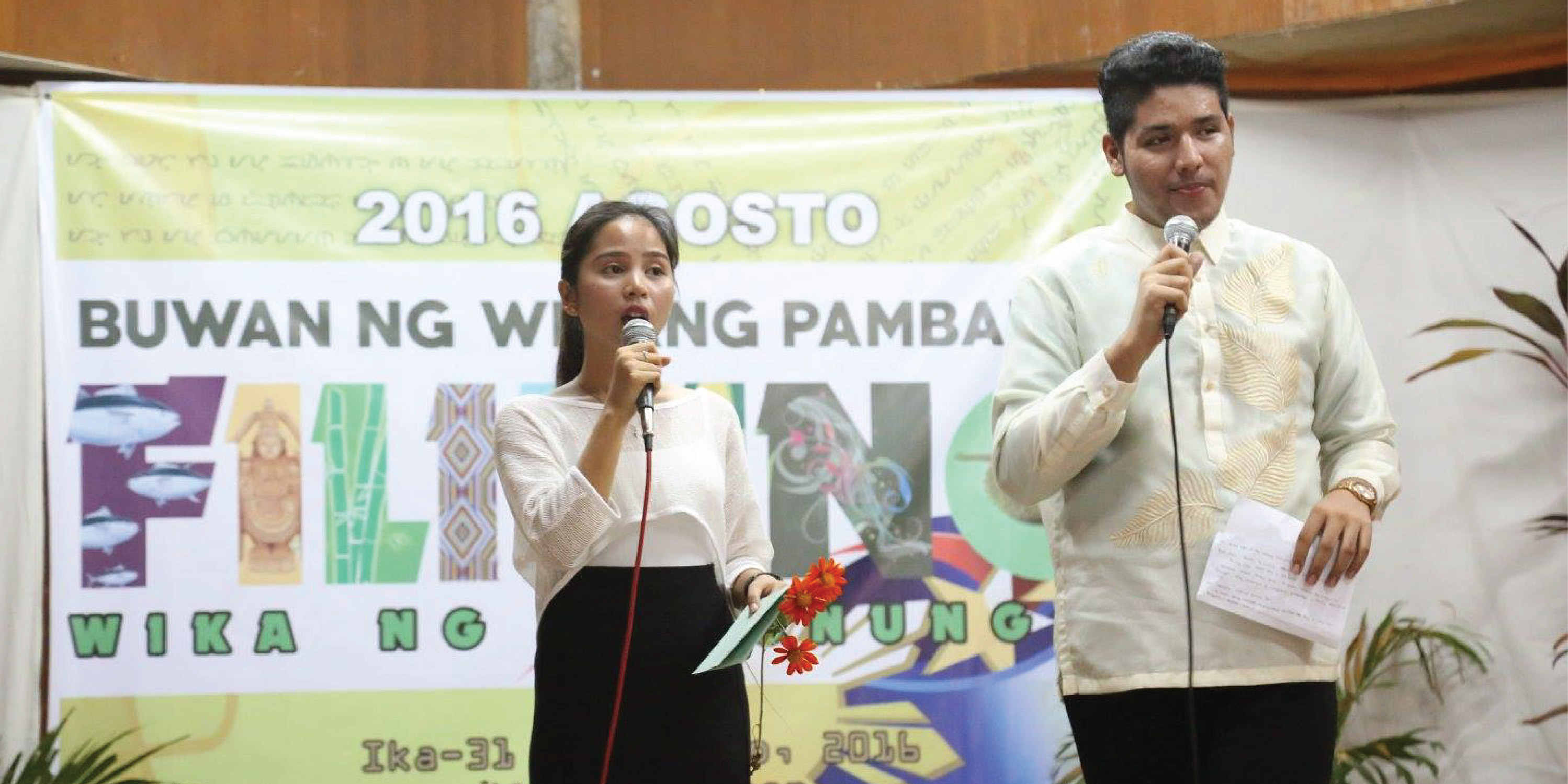
The Department of Liberal Arts and Behavioral Sciences at VSU is a service department that takes care of all General Education (GE) courses of all students enrolled in various degree programs.
Vision, Mission & Goals
Degree Offerings
Bachelor of Arts in English
Master of Science in Language Teaching
Sections
- English
- Filipino
- Social Science
Courses/Subjects Offered
- Details
- Written by Visayas State University
-
Published: 13 September 2013
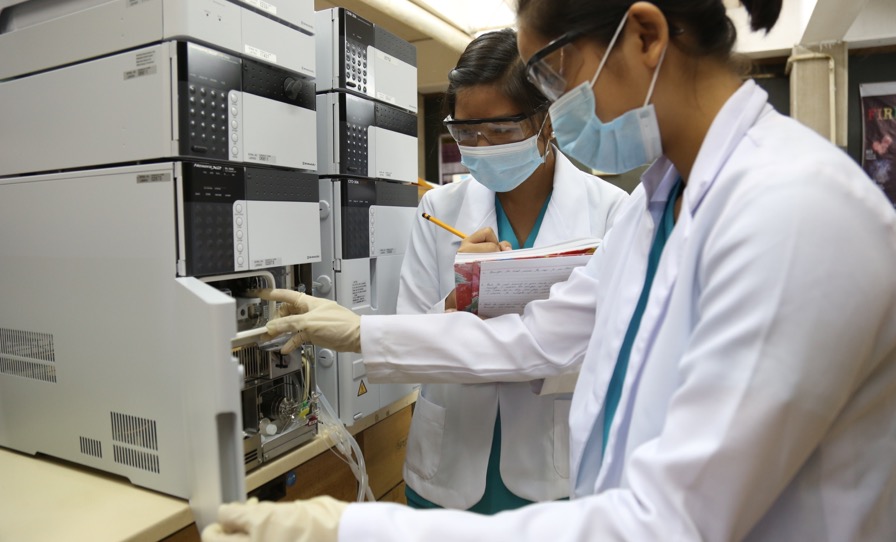
Research and development is part of the primary mission of the Visayas State University (VSU). The University’s mission of generating knowledge and technologies is aimed to contribute to the advancement of knowledge and understanding, and to the national goals of innovation, economic development, social development, and environmental sustainability.
High quality research enables VSU academic staff to expand knowledge base, incorporate new ideas and apply innovation and into what is being taught. For years now, it has generated diverse breakthroughs in crop and livestock production, crop protection, plant breeding, postharvest technologies, food processing and biotechnology.
- Details
- Written by Visayas State University
-
Published: 08 September 2013
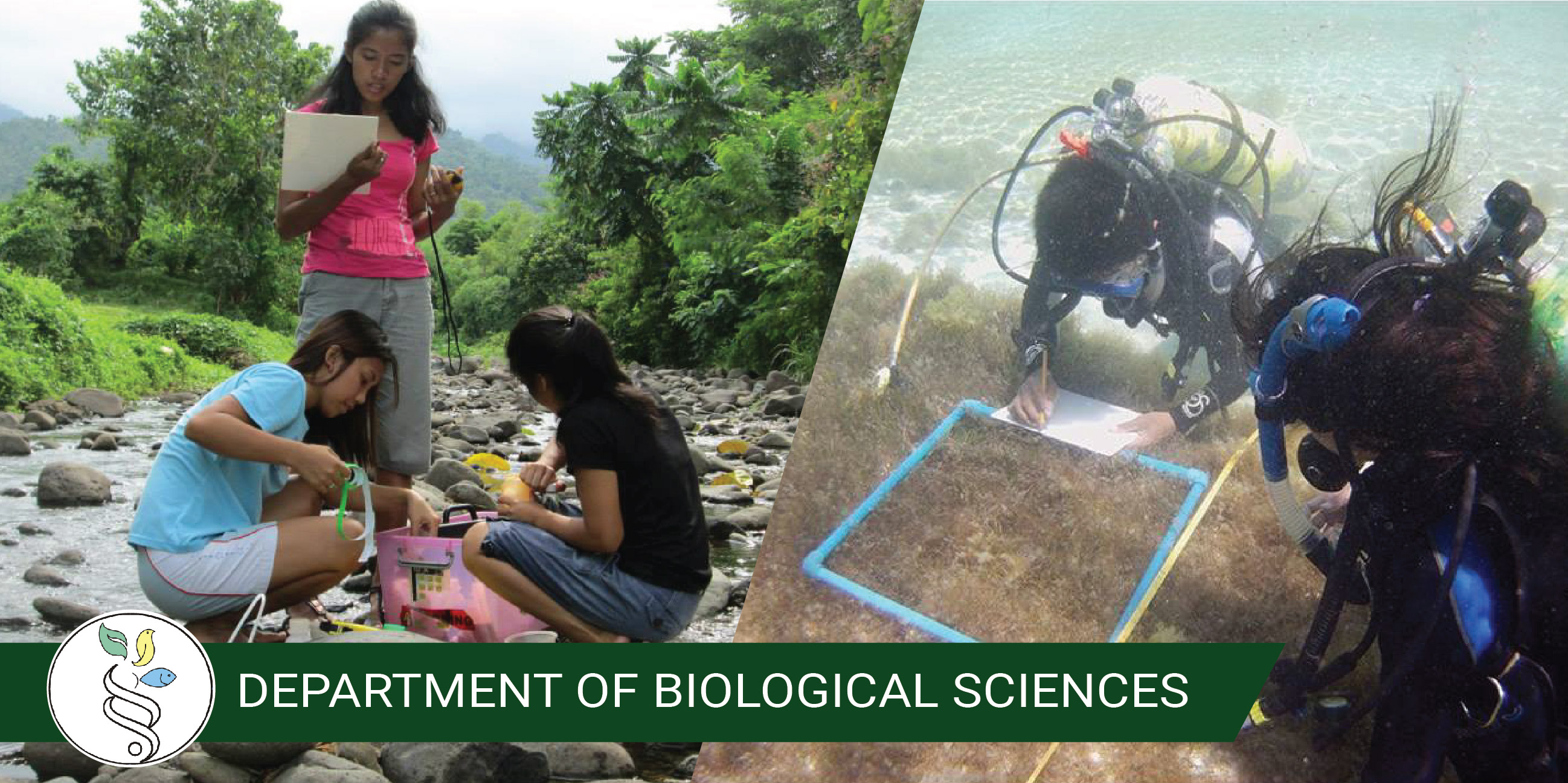
The Department of Biological Sciences is a conglomeration of four sections: Botany, Genetics, Microbiology and Molecular Biology, Marine Biology, and Ecology. It offers the Bachelor of Science in Biology program with its three major fields of specialization: Marine Biology, Botany and Ecology.
Together with the Department of Pure and Applied Chemistry and the College of Education, the department is also offering Bachelor of Secondary Education major in Chemistry-Biology. It is also jointly offering Bachelor of Science in Agriculture major in Agricultural Botany, with the College of Agriculture. The Department also offers two graduate programs: Master of Science major in Botany and Master in Biology (MBio) which is a non-thesis Graduate program offered in partnership with the Leyte Normal University Graduate School. This latter program aims to upgrade the academic qualifications of tertiary faculty members of state colleges and universities.
Vision, Mission & Goals
Degree Offerings
Bachelor of Science in Biology with majors in:
Marine Biology
Botany
Ecology
Master of Science in Botany
Sections
- Genetics, molecular biology and microbiology
This section includes three related disciplines on the molecular aspect of the cell, focusing on gene expression and regulation and molecular techniques and analysis; biotechnology applications; and techniques in culture and identification of microorganisms with emphasis on bacteria and microscopic fungi. This section also offers graduate subjects for the Master in Biology (MBio) program. - Ecology
The ecology section serves a variety of undergraduate students, including both biology majors and non-majors throughout the university. This section deals with courses on terrestrial and aquatic ecosystems and resource conservation and management. Field work and conservation and assessment of status of different types of ecosystems focusing on nearby areas in Leyte are also introduced through this section. - Botany
This section strives for excellence in teaching in plant physiology and development, ecology and systematics which includes plant identification and training on herbarium preparation and plant conservation. Instruction is also enhanced through access with the botanical garden and herbarium situated in the department. - Marine Biology
This section provides interdisciplinary background in marine biology through traditional courses and experimental learning programs further enriched by access to the Marine/ Aquatic laboratory situated at the lower campus and modern field equipment for terrestrial and aquatic sampling and research. This section also conducts Marine Resource Assessment and Monitoring, Participatory resource, ecological and livelihood assessment, Water analysis, Open-water SCUBA lead by a resident faculty of the department, environmental education and training, marine sanctuary establishment and coastal resource management.
Facilities
The facilities of the Department include the main building that houses 2 lecture and 4 laboratory rooms, 1 herbarium, 1 green house, 1 preparation room containing modern laboratory equipment, conference room and library and 10 faculty offices. The department has access to the Marine Laboratory with modern equipment for aquatic sampling research with underwater documentation facilities, speedboat and SCUBA diving gear.