
- You are here:
-
Home

-
Sustainable Development Goals
- Good Health and Well-being
News / Obelisk
VSU forwards food security, zero hunger agenda through 2026 Nutrition Month

As the university officially launched its 2026 Nutrition Month celebration, VSU reaffirmed its commitment to advancing food security and nutrition by empowering communities to make healthier, more sustainable food choices while protecting the natural resources that sustain life. Anchored on the National Nutrition Council's (NNC) sub-theme, "Nutrisyon at Kalikasan, Ating Pangalagaan!,” the celebration reinforces the goals of the Philippine Plan of Action for Nutrition (PPAN) 2023–2028, recognizing that achieving Zero Hunger requires collective action to safeguard both people and the environment.
Read more ...#DiscoverWithVSU: Study pinpoints factors linked to ASF outbreaks in Leyte pig farms
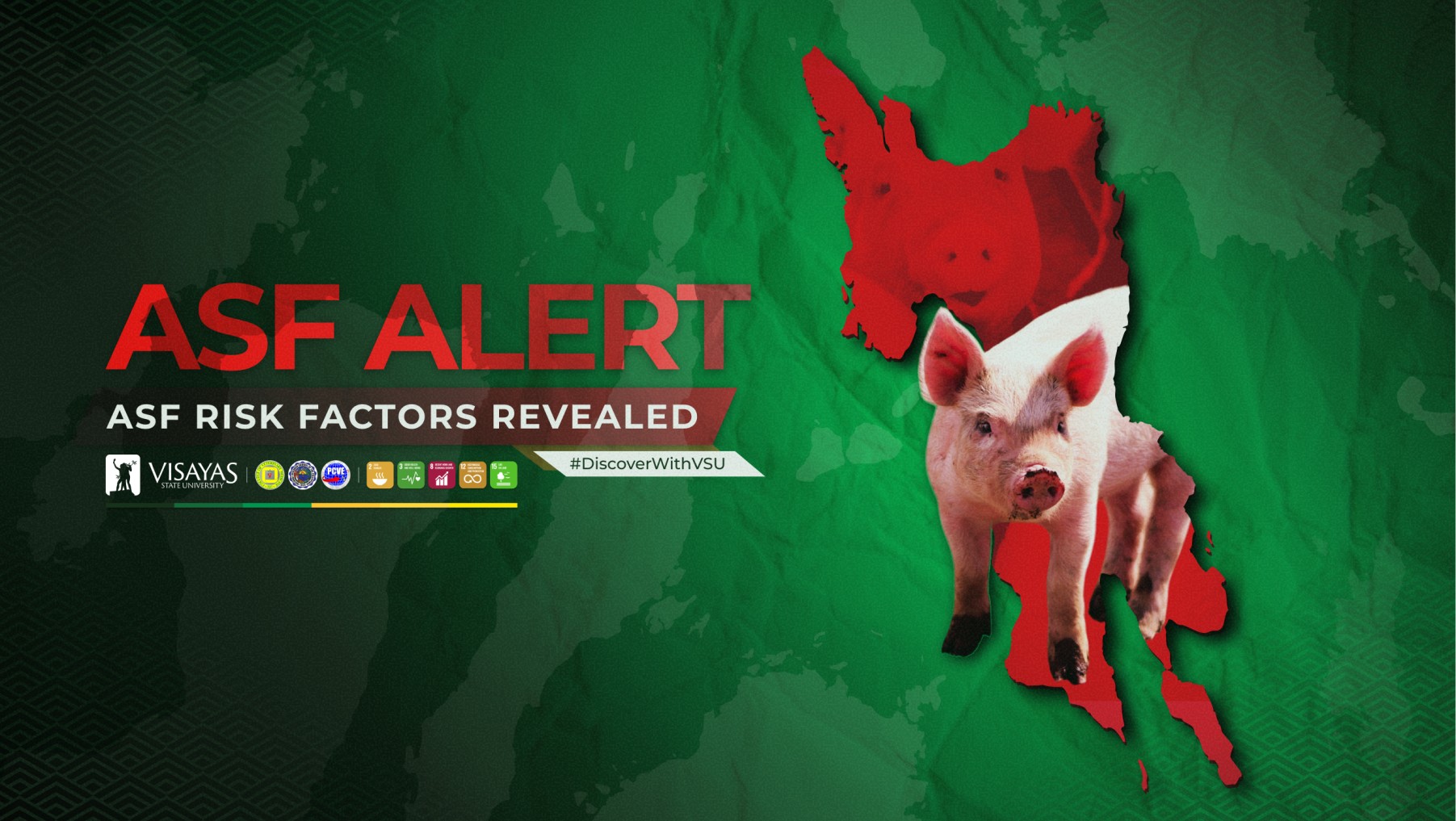
For many families in Leyte, raising pigs is more than a livelihood. It helps put food on the table, pay school expenses, and provide a source of income during difficult times. When African Swine Fever (ASF) reached Leyte, the effects were felt not only by pig raisers but also by the communities that depend on the swine industry.
Read more ...VSU AREV secures back-to-back championship at Philippine Rodeo Finals 2026
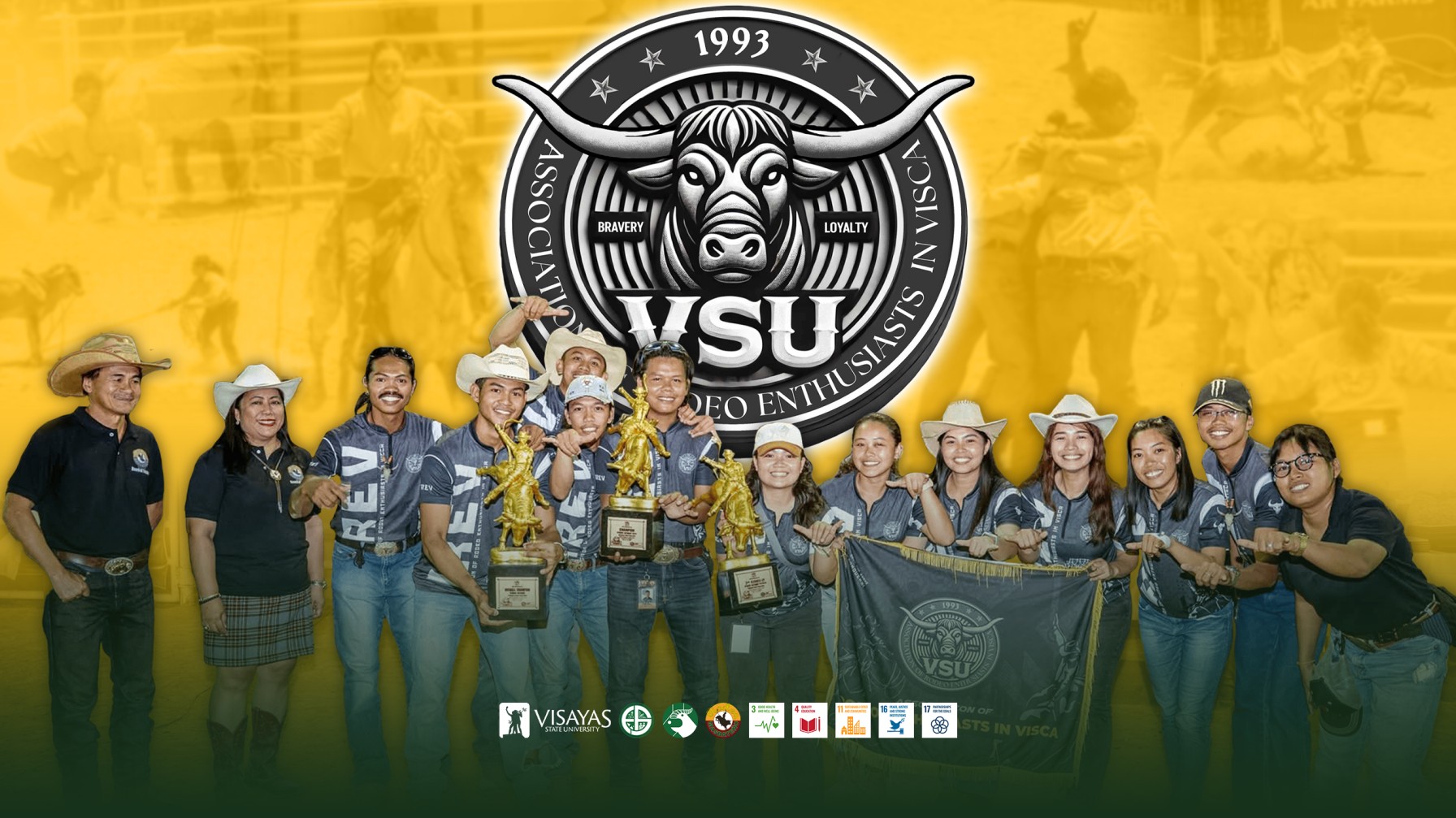
The Association of Rodeo Enthusiasts of Visayas State University (VSU-AREV) once again proved its dominance in the arena after securing the Overall Championship title in the student category held from April 13–17, 2026 at the Rodeo Arena in Masbate City.
Read more ...VSU College of Medicine secures CHED approval, welcomes pioneer batch for AY 2026–2027
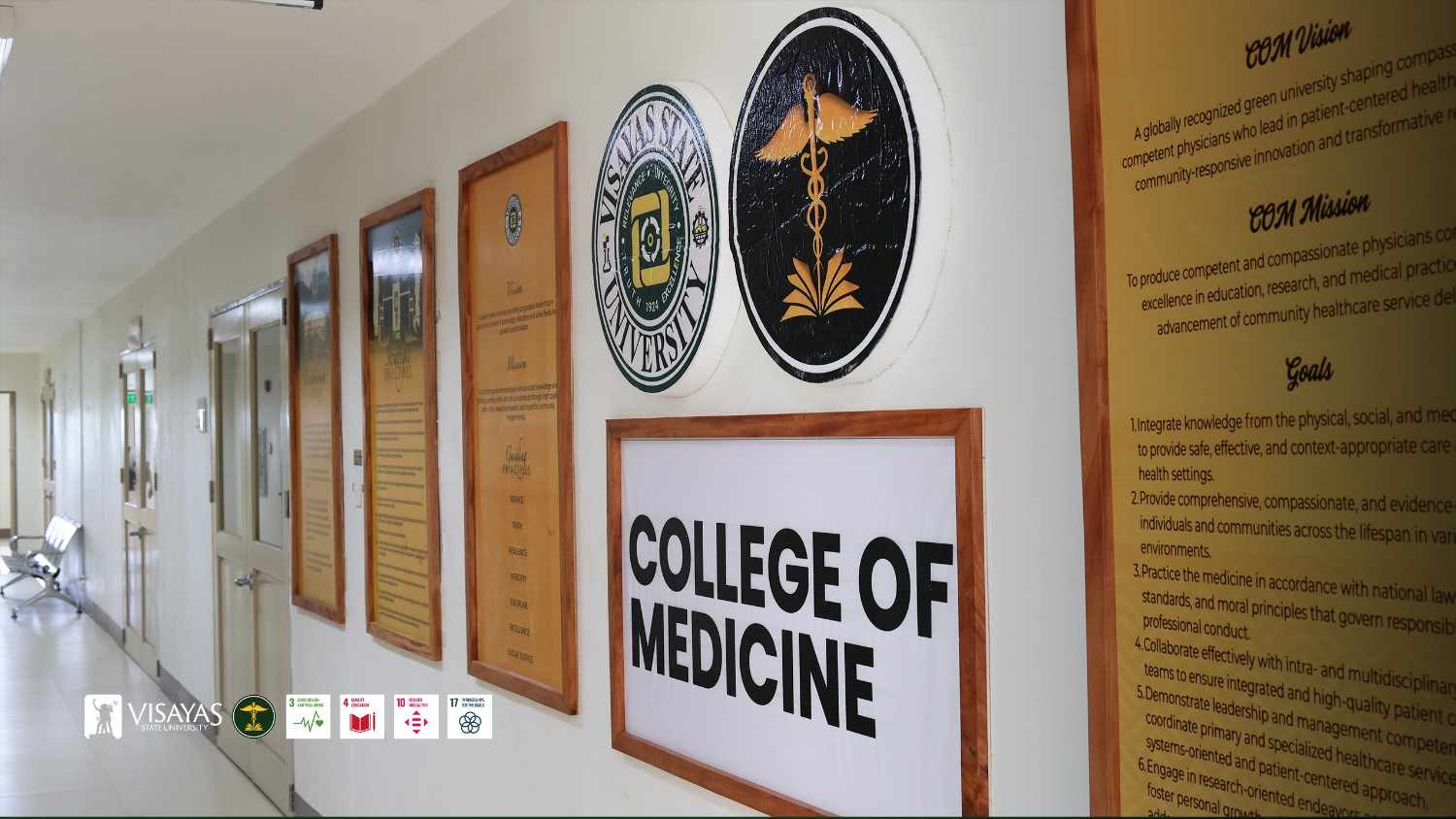
The Commission on Higher Education (CHED) has approved the Doctor of Medicine program, paving the way for the Visayas State University to welcome its first batch of medical students beginning Academic Year 2026–2027. Granted through the Office of Programs and Standards Development (OPSD) and the Technical Panel for Medical Education, the approval covers the first- and second-year levels.
Read more ...#GlobalGreen: Molave Men’s Hall rises as ATI-8 Dormitoryo Verde champion
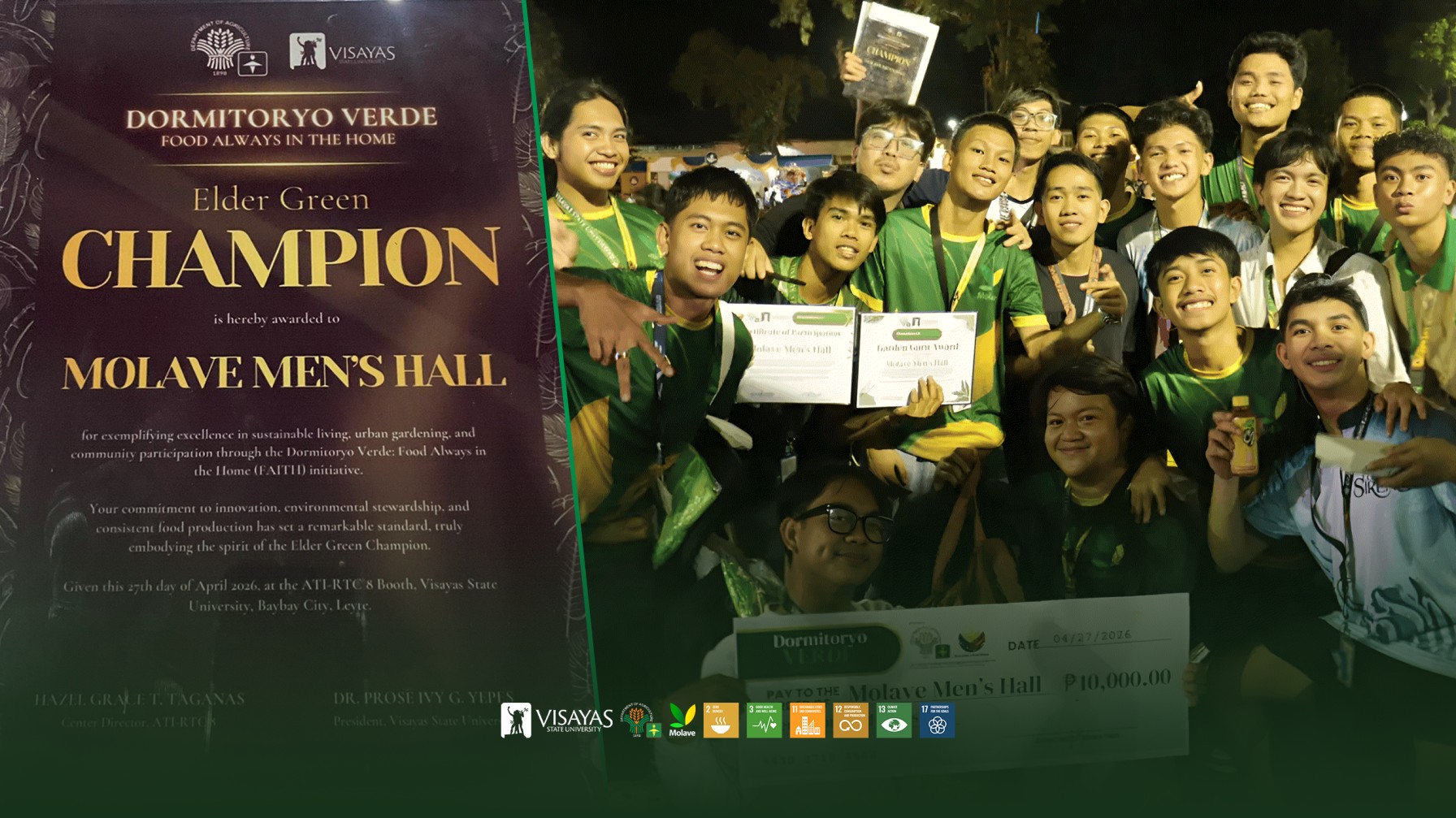
The vibrant spirit of sustainability and student-led innovation took center stage as Visayas State University successfully held the culmination and awarding ceremony of the second year of Dormitoryo Verde, under the banner “Second Bloom: Food Always in the Home (FAITH),” on April 27, 2026, at the Agricultural Training Institute (ATI) booth in the VSU lower campus.
Read more ...