
VSU Tolosa, Alangalang secure 2-million-peso grant for Leyte Sab-a Basin peatland research
- Details
- Written by Chrizhane G. Domingo
-
Published: 19 October 2026
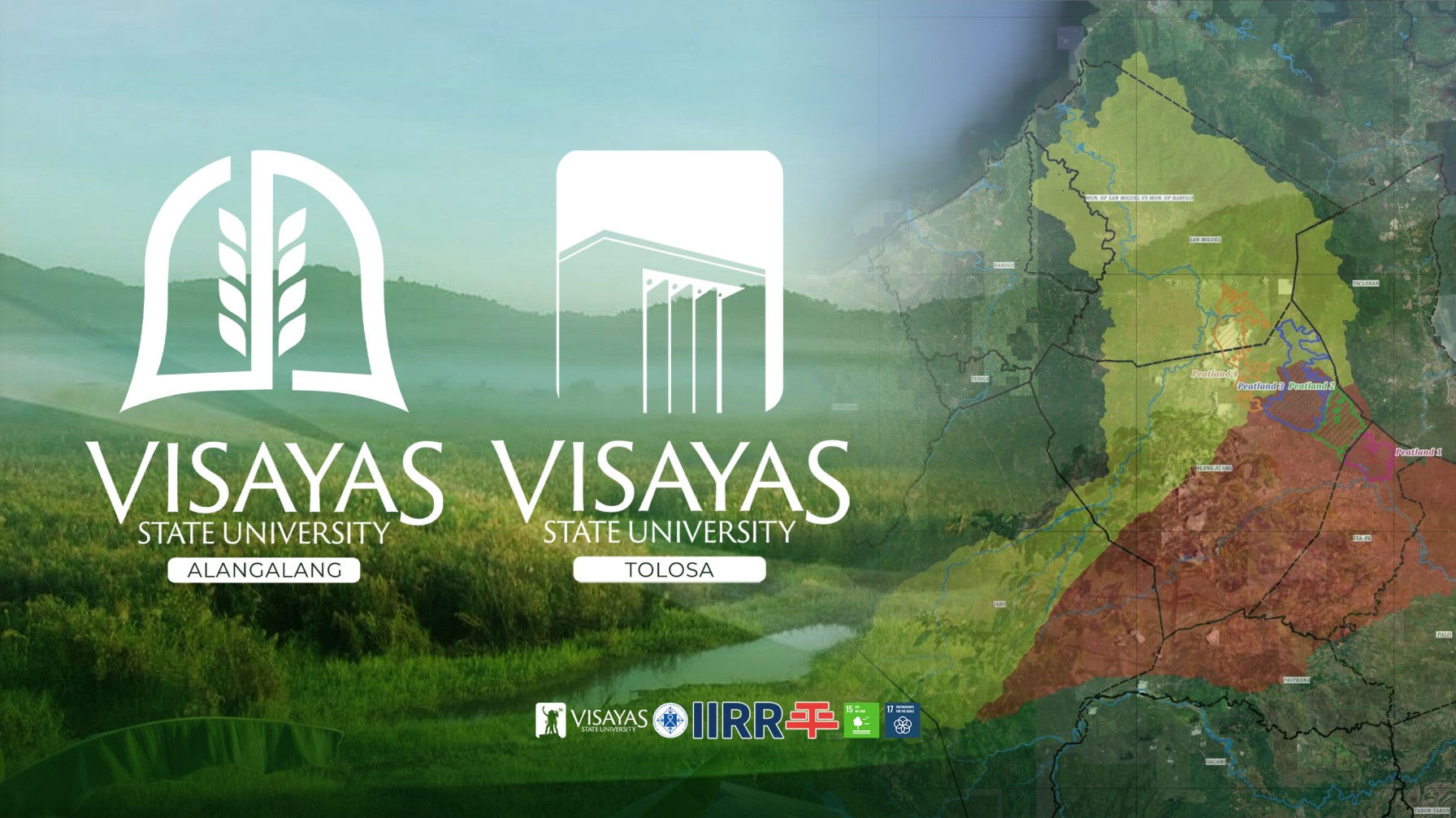
Visayas State University Tolosa (VSUT) and VSU Alangalang (VSUA) have each secured a P1-million research grant under Project LUYON: Research for Action Grants of the International Institute for Rural Reconstruction (IIRR), bringing the combined funding awarded to the two VSU campuses to P2 million for research initiatives focused on the Leyte Sab-a Basin Peatland (LSBP) and related wetland resources.
The Leyte Sab-a Basin Peatland (LSBP) is the second largest peatland in the Philippines, comprising 2,107 hectares, trailing after Caimpugan Peatland in Agusan del Sur, spanning 5,487 hectares.
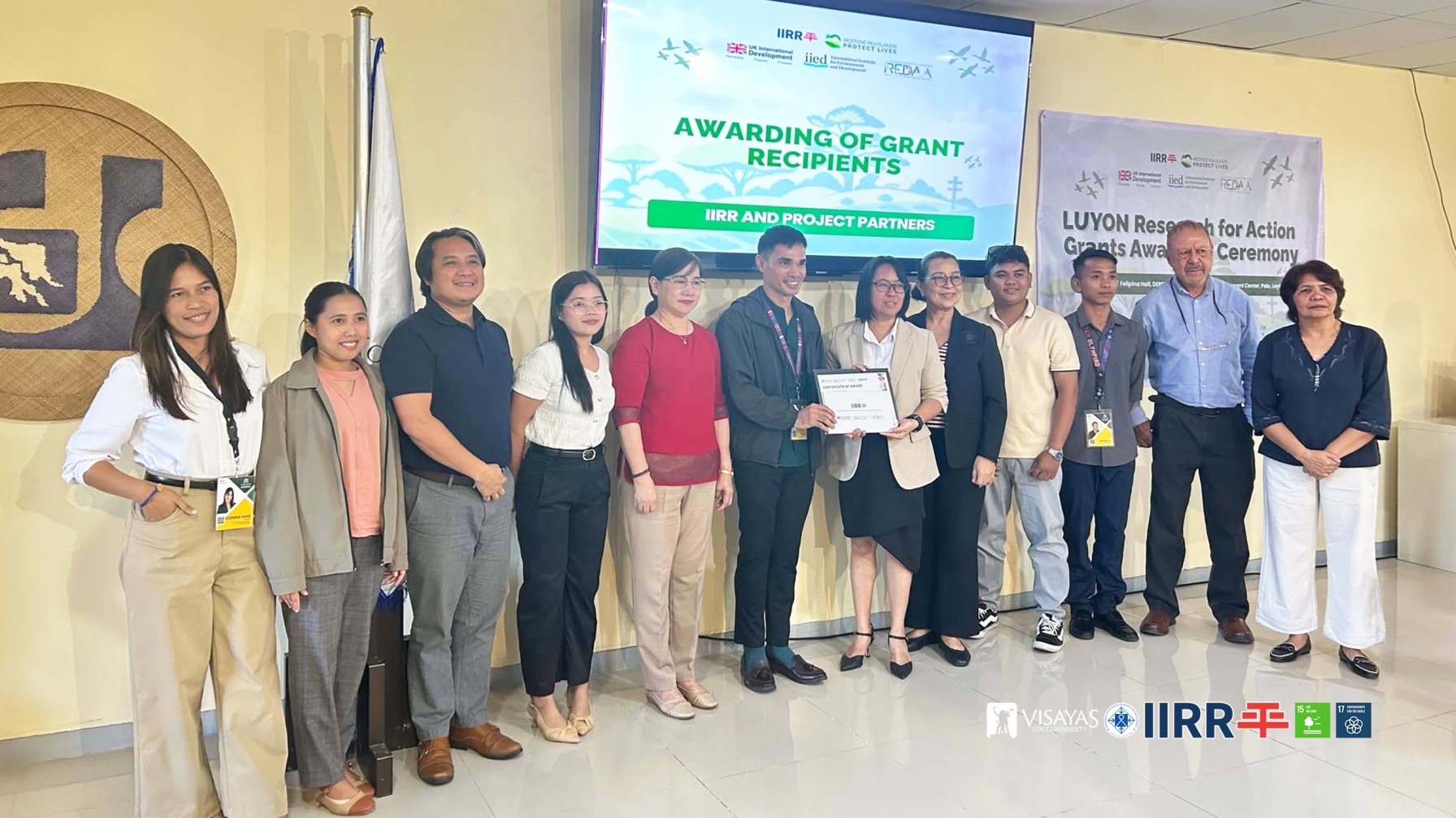
(Facebook: Mae Salazar)
The grants were formally awarded during the Project LUYON Research for Action Grants Awarding Ceremony on October 2, 2026, at Felipina Hall of the Department of Economy, Planning, and Development Regional Office VIII at the Government Center in Palo, Leyte.
VSU Tolosa and VSU Alangalang were among the eight institutions and organizations selected for funding following the review and selection process for the Research for Action Grants, with the projects endorsed through the Regional Development Council VIII.
The two VSU projects address complementary aspects of peatland management: biophysical and hydrological assessment on one hand, and conservation-oriented aquatic resource management and livelihood development on the other.
It is noteworthy that University President, Dr. Prose Ivy G. Yepes, mentioned research in sustainable aquaculture and peatland resources in her 3rd State of the University Address as one of the ways in which the University brings local problems to global attention.
Assessing a potential peatland in Palo
VSU Alangalang will focus on the biophysical and hydrological characteristics of a selected peatland locations, providing an evidence base for determining the extent and environmental characteristics of these areas and informing subsequent management and conservation interventions.
They will also investigate the biophysical and hydrological characteristics of the wetland, providing additional information on the carbon content, extent of the area, and its biodiversity.
Findings of the study will inform evidence-based policies and management plans that will support the protection and conservation of the area.
Linking peatland conservation with aquatic livelihoods
VSU Tolosa, meanwhile, will implement a research centered on conservation and nature-based aquaculture in the Leyte Sab-a Basin Peatland, with particular attention to the production and management of climbing perch and the bighead catfish which are two indigenous and native fish species, respectively in the peatland.
The project builds on earlier engagements and field activities undertaken by the VSU Tolosa team with IIRR in the Leyte Sab-a Basin. It will examine how appropriately managed aquatic production can be integrated with peatland conservation objectives while providing potential livelihood opportunities for small-scale aquaculturists and resource-dependent households in the area.
Complementary research approaches
While the VSU Alangalang project will generate baseline information on the physical and hydrological characteristics of a potential peatland site, the VSU Tolosa initiative will investigate aquatic resource management and nature-based aquaculture as a potential livelihood and conservation intervention within the broader peatland landscape.
Taken together, these projects contribute to the development of site-specific scientific information that can support future planning, conservation, and community-based resource management in Leyte.
The certificates of recognition for the funded projects were received by respective project leaders and research team members. Mr. Jayson D. Baldesco represented VSU Alangalang as project leader, and Dr. Quenstein D. Lauzon represented VSU Tolosa.
The grants form part of the broader effort of Project LUYON and IIRR to support research that can translate locally generated scientific evidence into practical actions for communities and ecosystems.
For VSU, the funding provides an opportunity for its component campuses to forward research on the Leyte Sab-a Basin and to link university-based scientific work with the management of wetland resources and livelihood concerns of communities within and around the LSBP.
This article aligns with the United Nations (UN) Sustainable Development Goal (SDG) No. 15: Life on Land and SDG No. 17: Partnerships for the Goals.