
VSU trains LGUs, academic institutions on Fisheries Monitoring and Biological Assessment (FMBA), empowers coastal communities
- Details
- Written by DBS Project FiFE and Claudette Meli Hoff E. Garduce
-
Published: 05 November 2026
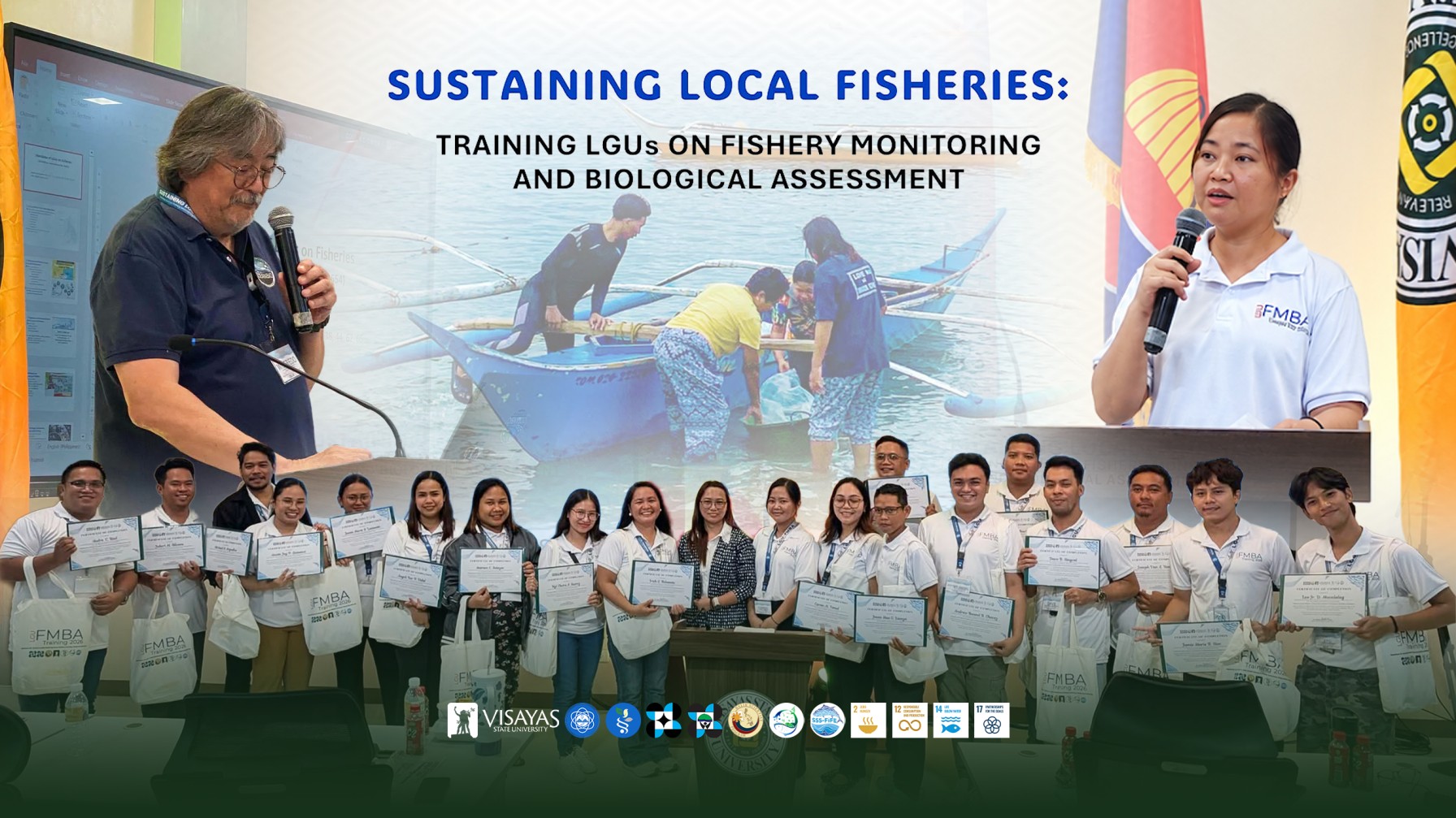
To empower coastal municipalities and ensure sustainability of the area's aquatic resources, Visayas State University (VSU) through the DOST Balik Scientist Program conducted "Sustaining Local Fisheries: Training LGUs on Fishery Monitoring and Biological Assessment (FMBA)" on 29 September to 2 October 2026 at the VSU Main Campus.
The four-day training activity was initiated by Dr. Donna M. Guarte-Valida, as a long-standing DOST Balik Scientist and faculty member of the VSU Department of Biological Sciences, with support from the DOST‑GIA‑funded Project FiFE.
The comprehensive training aimed to capacitate the Local Government Units (LGUs) and academic institutions to collect and interpret fisheries and biological data for informed decision‑making.
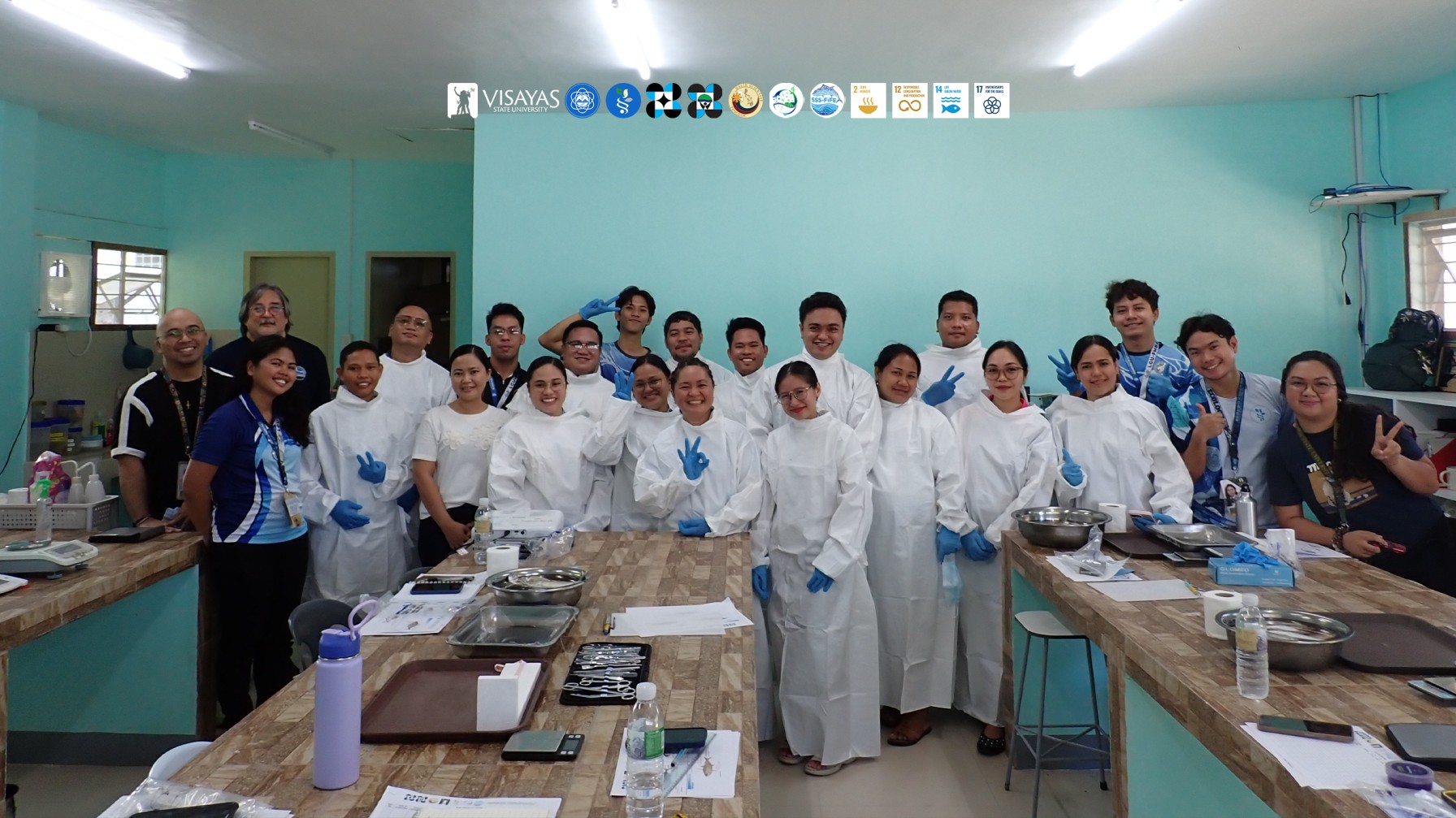
The event brought together participants from the Fisheries Technicians and Municipal Agriculture Office (MAO) personnel of Carigara, the City Fisheries and Resources Management Office (CFRMO) of Baybay, Inopacan, Hilongos, Hinunangan, Albuera, Hindang, Leyte (Municipality), Leyte (City), Ormoc, Palompon, Silago, and Southern Leyte.
Academic experts and aspiring researchers from the Palompon Institute of Technology (PIT) and the Eastern Visayas State University (EVSU)-Carigara Campus were also present during the activity. They were joined by young researchers from the VSU Department of Biological Sciences.
Equipping frontliners with practical tools
Aside from a series of resource talks, the trainees were also tasked to attend a number of enriching workshops and laboratories on fisheries-related data gathering and processing.
The Project FiFE team made sure that the activities run smoothly, from secretariat and logistical support, to facilitating laboratory sessions.
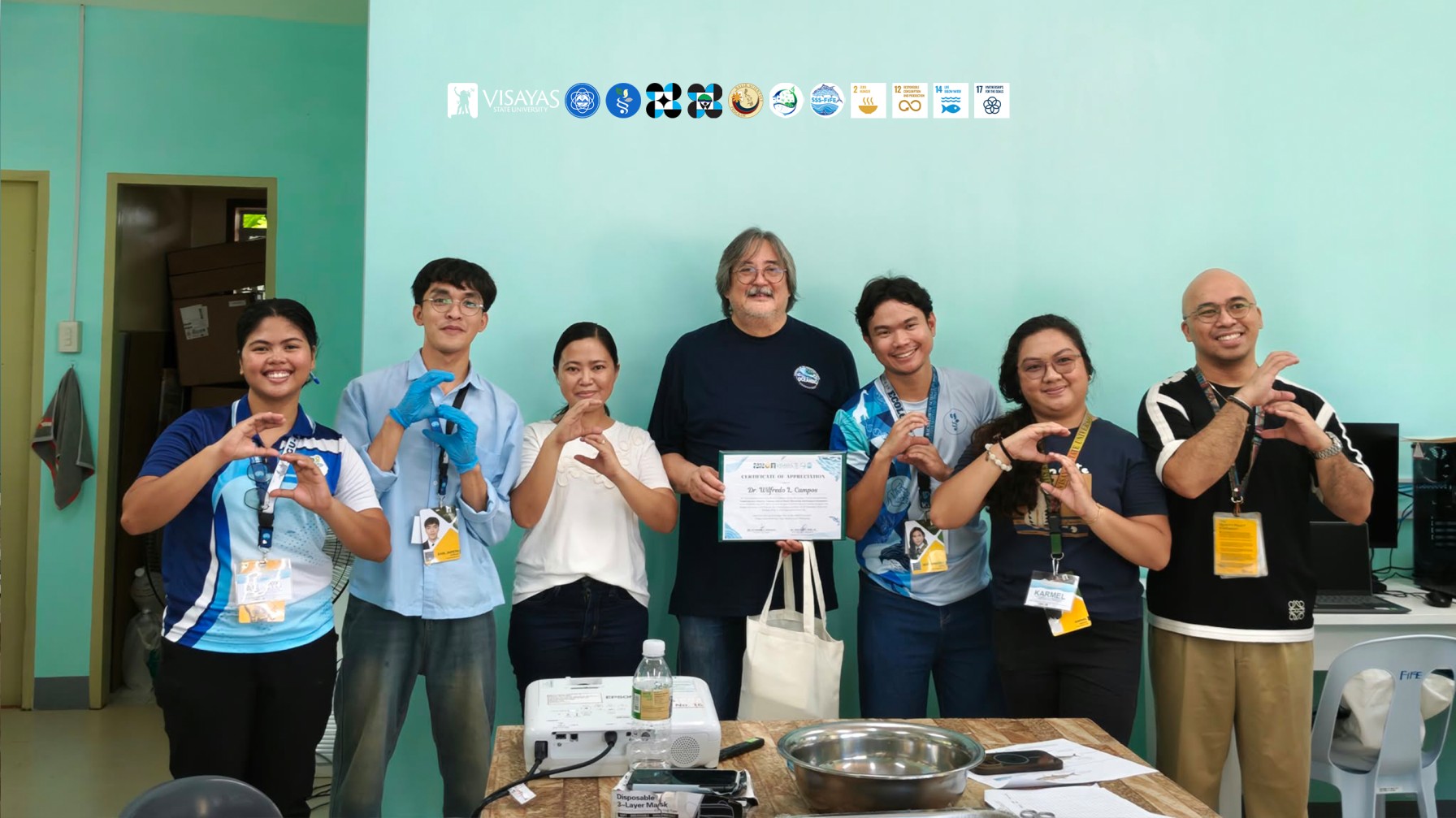
One of the event's highlights was the resource speaker session with the esteemed Dr. Wilfredo L. Campos, retired professor of the University of the Philippines Visayas (UPV). Dr. Campos shared his wealth of knowledge and experience on pertinent laws and policies on municipal waters, including RA 8550 as amended by RA 10654 (The Philippine Fisheries Code), which governs the LGUs' mandate on fisheries development and management.
He also enlightened the audience on small-scale fisheries, including fisheries profiling.
As an expected outcome of the training, the LGUs who participated in the event were able to design their own FMBA Action Plans based on the lessons they learned.
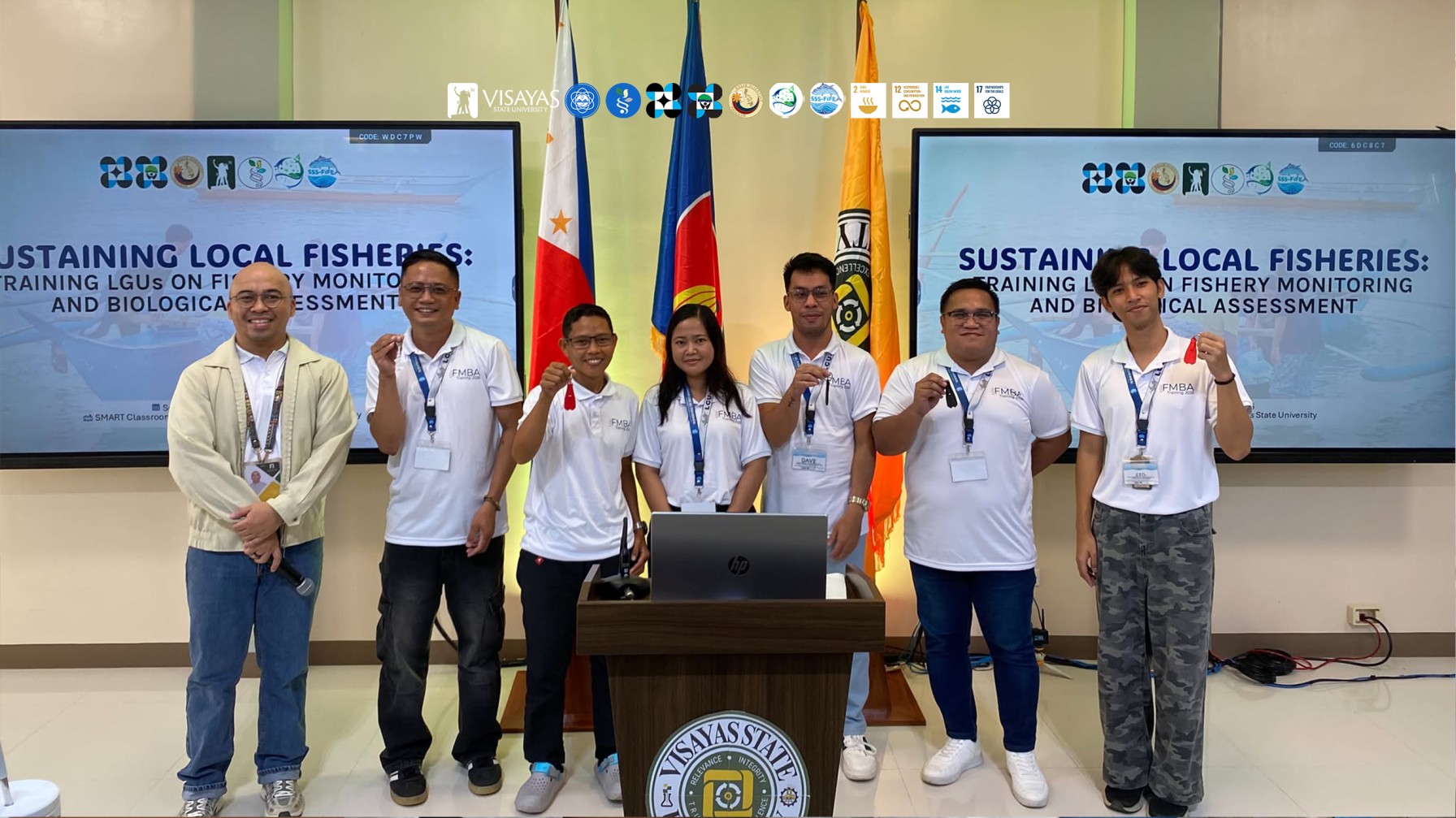
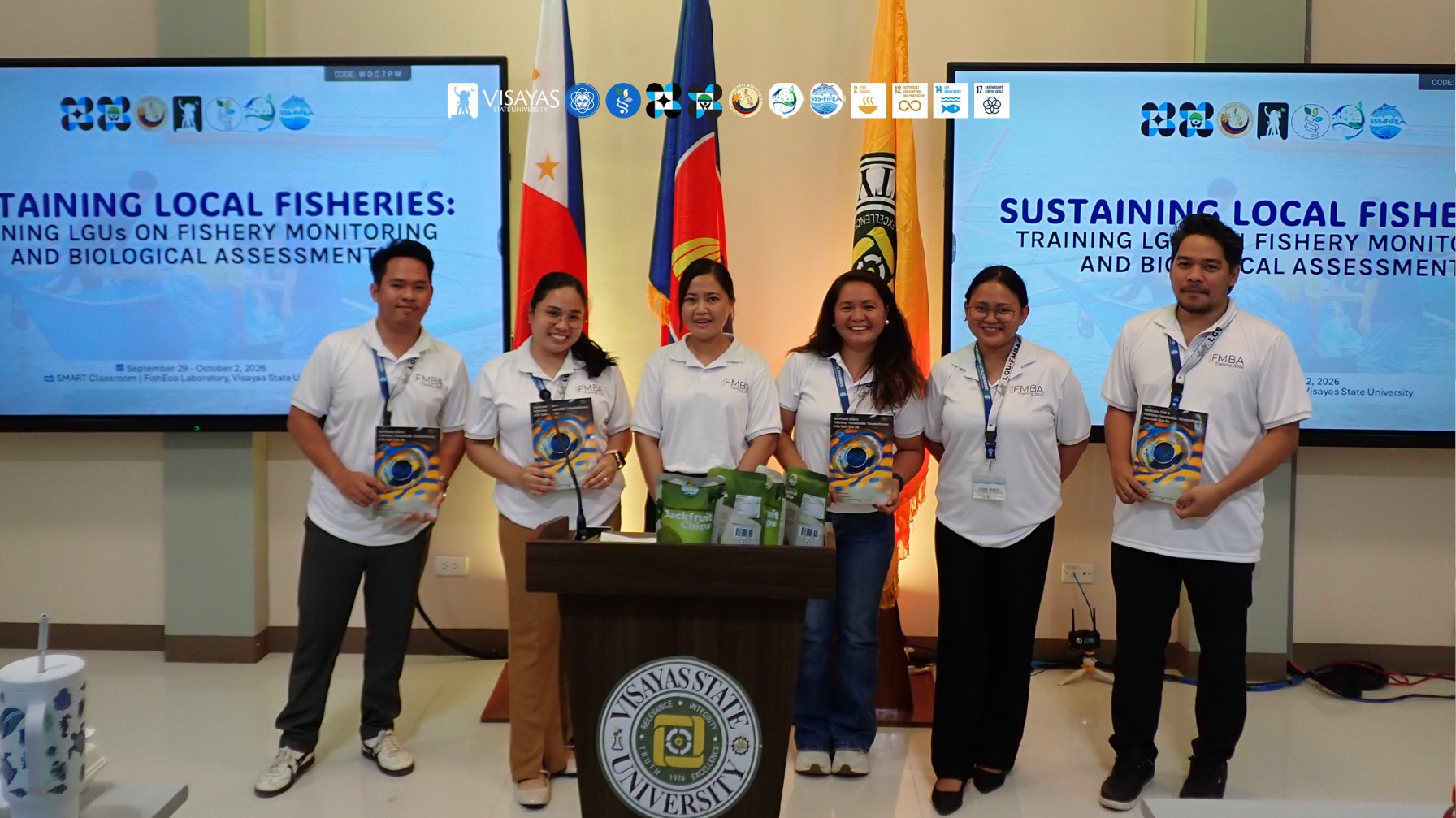
Andro C. Bael, Agricultural Technologist from the Local Government Unit (LGU) of Leyte, Leyte, highlighted the importance of the training in addressing gaps in local fisheries management.
“One of the gaps in our existing plan is the lack of comprehensive data on capture fisheries, including fishing gears and fishing activities. Through this training, we gained a better understanding of the data needed and how to process them. I hope we can incorporate what we have learned into our LGU’s future plans to strengthen local fisheries management.”
Similarly, Carein M. Tomol, Municipal Agriculturist of Silago, Southern Leyte, emphasized the training’s practical value in improving local fisheries management. She noted that the knowledge gained would help LGUs better understand their fisheries resources and apply what they learned to strengthen fisheries management initiatives in their respective communities.
Project leader, Dr. Guarte-Valida, shared the purpose of this hands-on training: “We conceptualized this hands-on training because many LGUs reached out to DBS, asking for guidance, in collecting and analyzing fisheries data to support smart decision-making, like closed fishing seasons. Seeing how active and eager everyone has been to learn throughout this training has been fantastic. We hope they find these learnings helpful in their work and we wish all of them the best as they bring their FMBA plans to life!”
Expanding horizons: From open ocean research to ground-level governance
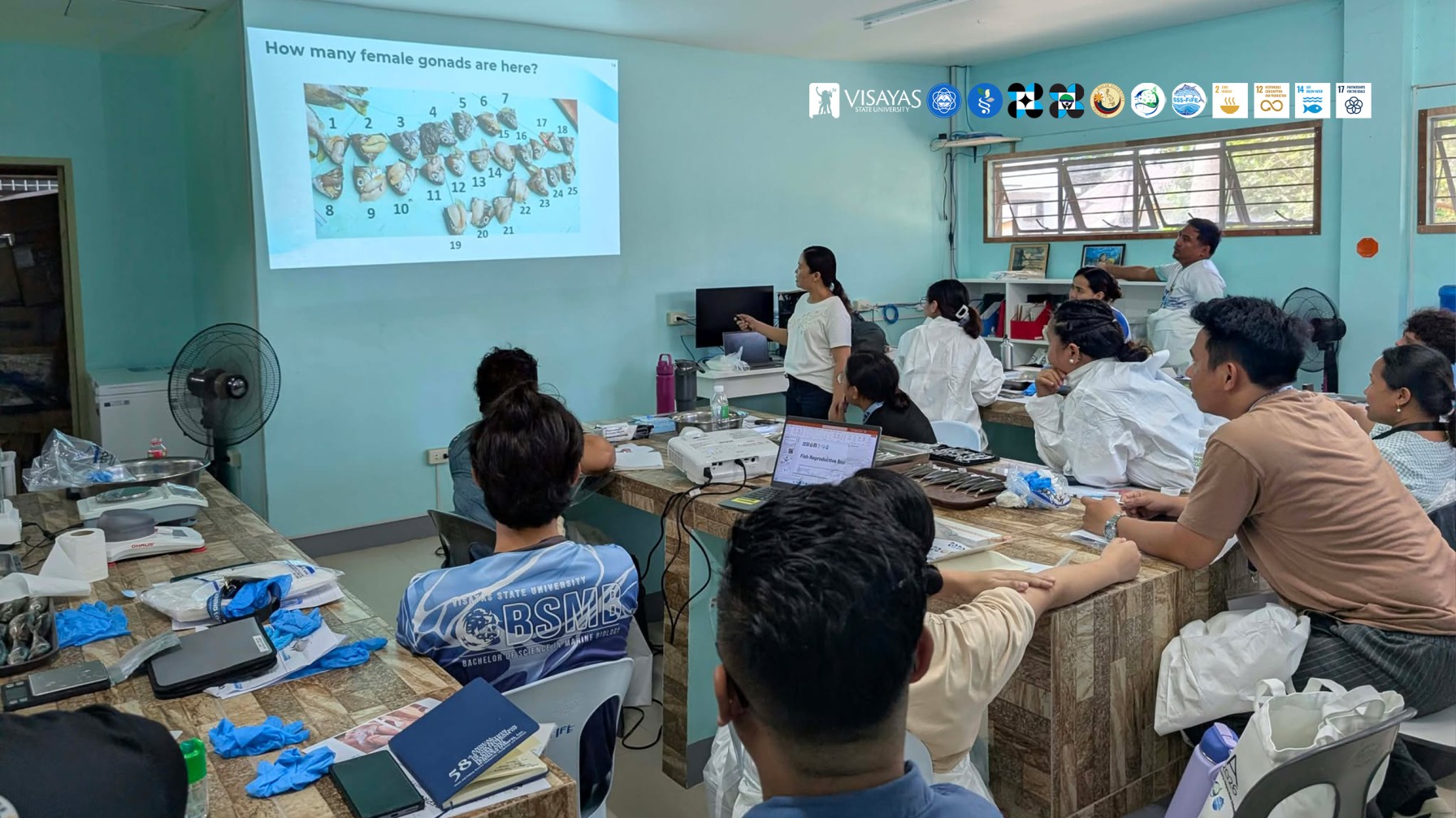
The capacity-building training is an extension of the broader marine conservation initiative championed by Project FiFE (Fisheries and Feeding Ecology of the Pelagic Resources in the Sibuyan Sea). This DOST-PCAARRD funded program is a two-year research project that focuses on studying pelagic ecosystems, crucial fishing grounds, and the feeding ecology of pelagic fishes in South Sibuyan Sea.
By linking together open oceanic research and grassroots governance, Project FiFE lays out a framework that effectively channels high-level insights on determining peak seasons, assesses prey availability, and traces migratory patterns down to the ground level. This is achieved through a suite of tools and visual aids that can help local fisherfolk and municipal authorities identify viable fishing grounds and implement responsive resource management frameworks.
Leveraging collaborative science for sustainable waters
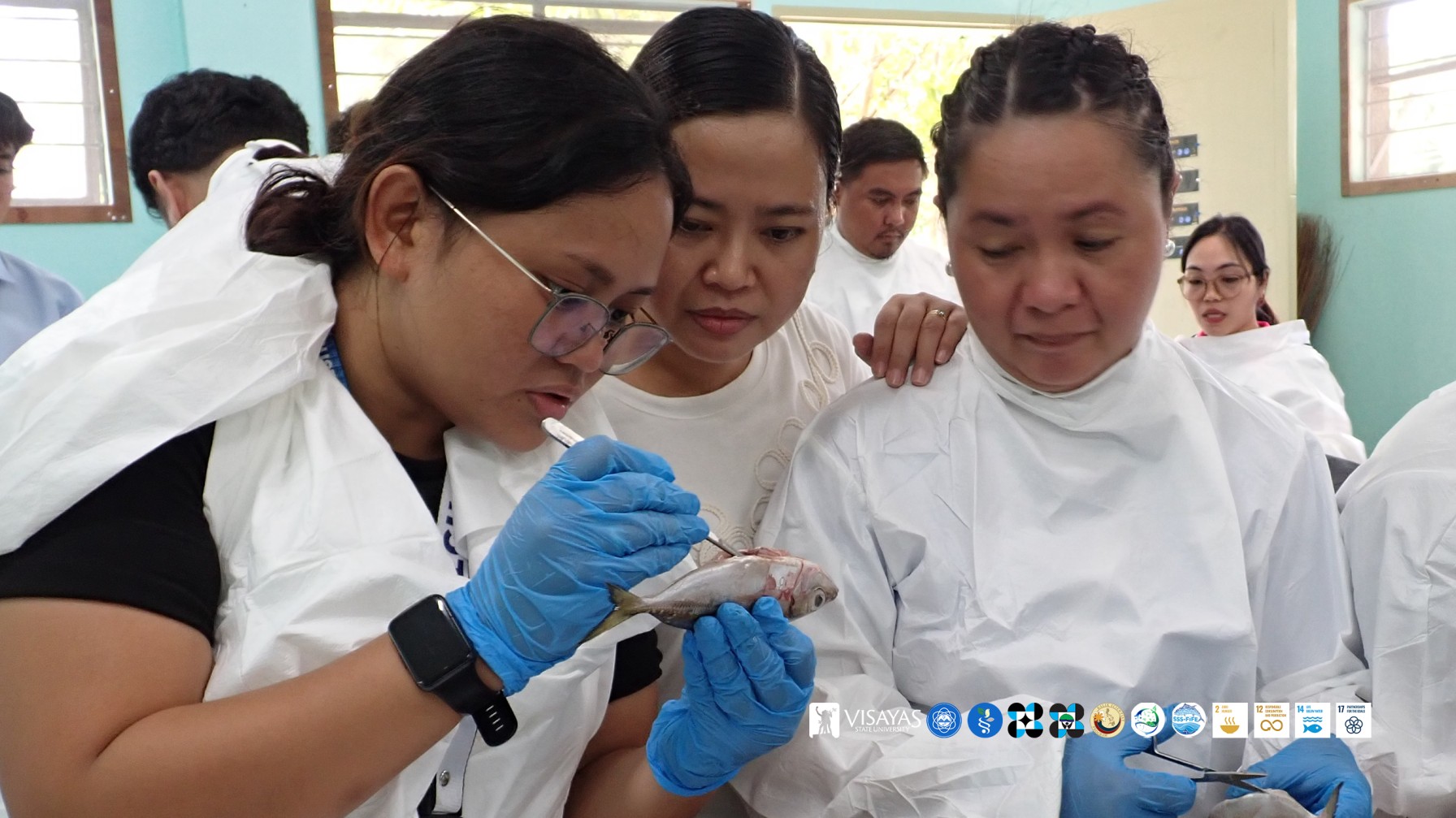
By building the local research competencies of LGUs and catalyzing their ability to contribute to fisheries management, the project is not only informative but instrumental in empowering the local government units to strategize sustainable municipal fisheries management plans while addressing the socio-economic needs of the fishing community.
This multi-stakeholder collaboration is part of VSU's commitment to ensure the environmental sustainability of the province. With the help of the local government units, academic institutions, and other concerned government agencies like Project FiFE, VSU takes another step in laying the groundwork for effective monitoring and management of local fisheries to ensure the sustainability of municipal fisheries in the region.
This article aligns with the United Nations (UN) Sustainable Development Goal (SDG) No. 2: Zero Hunger, SDG 12: Responsible Consumption and Production, SDG 14: Life below Water, and; SDG No. 17: Partnerships for the Goals.