
#GoingGlobal: VSU leads international collaboration to build disaster-resilient, ridge-to-reef communities in EV
- Details
- Written by Elmera Y. Bañoc and Jannet Bencure
-
Published: 10 August 2026
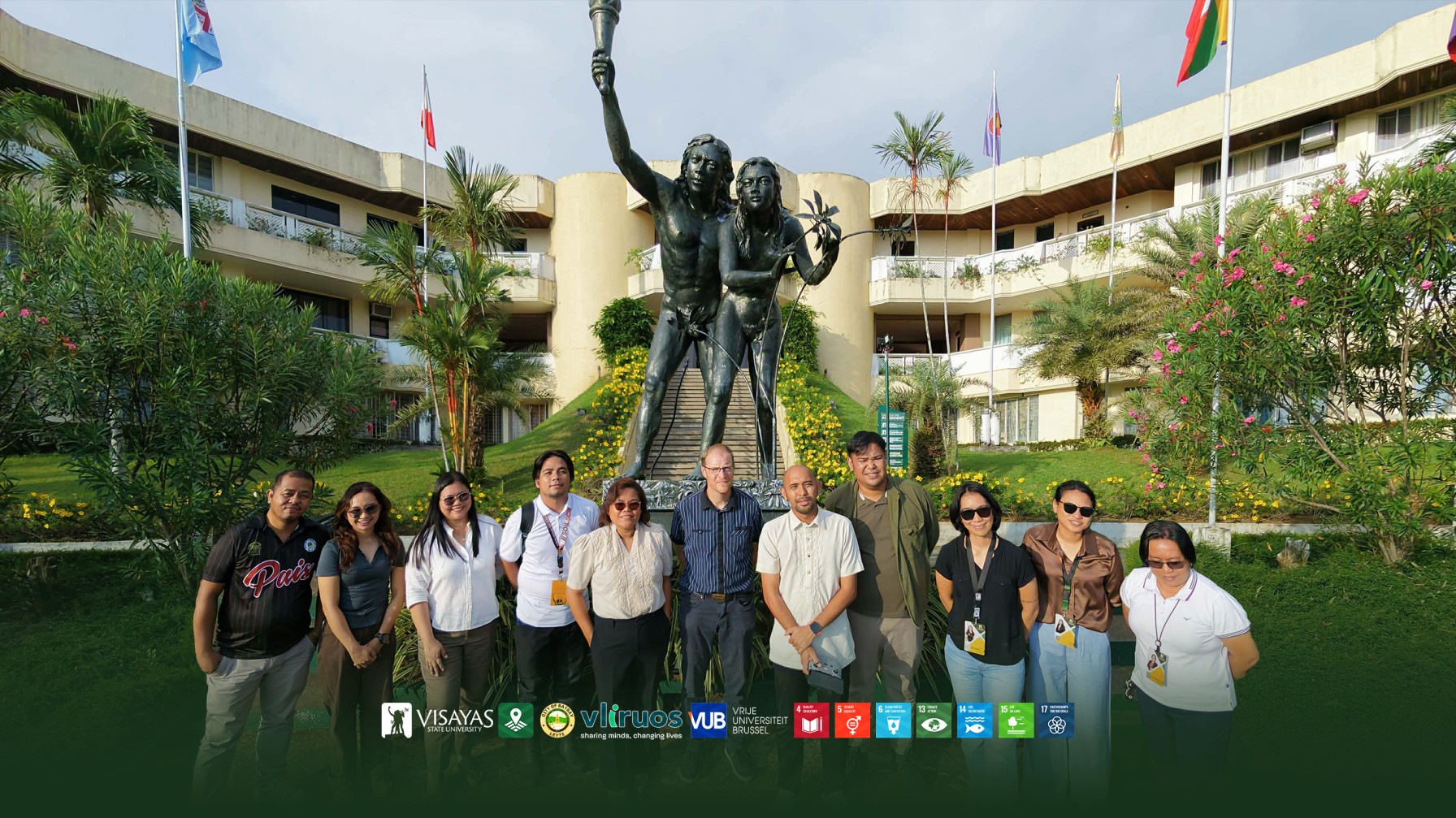
When Typhoon Yolanda struck Eastern Visayas in 2013 and Typhoon Tino in 2025, the world witnessed how devastating natural hazards could become when communities are exposed to multiple risks. More than a decade later, the region continues to face recurring landslides, flooding, storm surges, coastal erosion, and the growing impacts of climate change.
Recognizing that these challenges require solutions that go beyond disaster response, the Visayas State University (VSU) is taking a bold step toward building safer and more resilient communities through global partnerships.
Adding to the university's growing international reputation in research and innovation is the recently secured highly competitive grant under the VLIRUOS TEAM 2026 Programme for the implementation of VIVAR²es (Sustainably Reducing Vulnerability to Multi-Hazards through a Ridge-to-Reef Community Approach in Eastern Visayas) by the Geospatial Research, Innovation and Development (GRID) Center.
The project represents VSU's first-ever research initiative as the lead implementing local institution under the prestigious Belgium-funded program.
The five-year initiative, which officially begins on September 1, 2026, has been awarded nearly €300,000 (approximately ₱20 million) through the Flemish Interuniversity Council (VLIR-UOS).
The project brings together experts from Visayas State University through the headship of Dr. Jannet C. Bencure, Director of the VSU GRID Center, and Dr. Matthieu Kervyn of Vrije Universiteit Brussel (VUB), Belgium, and the City Government of Baybay, combining international expertise with local knowledge to address one of Eastern Visayas' most pressing development challenges.
Reflecting on the grant journey, Dr. Bencure described the project approval as a triumph of perseverance and purpose: “Our first proposal was rejected, but the disasters that followed only strengthened our resolve. We learned from the feedback, built a stronger proposal with Prof. Matthieu Kervyn and our partners, and despite the odds, only 37 out of more than 250 proposals were selected which include ours.”
More than Mapping Hazards
For many communities, disasters are often viewed as isolated events. But in reality, what happens in the mountains eventually affects rivers, coastlines, and people living downstream.
This is the principle behind the project's ridge-to-reef approach.
Instead of looking at landslides, floods, and coastal hazards separately, VIVAR²es examines how these interconnected hazards influence one another across the entire landscape, from upland watersheds to coastal ecosystems.
By integrating earth observation technologies, geospatial science, nature-based solutions, and community participation, the project seeks to develop practical, science-driven strategies that reduce disaster risks before they become disasters.
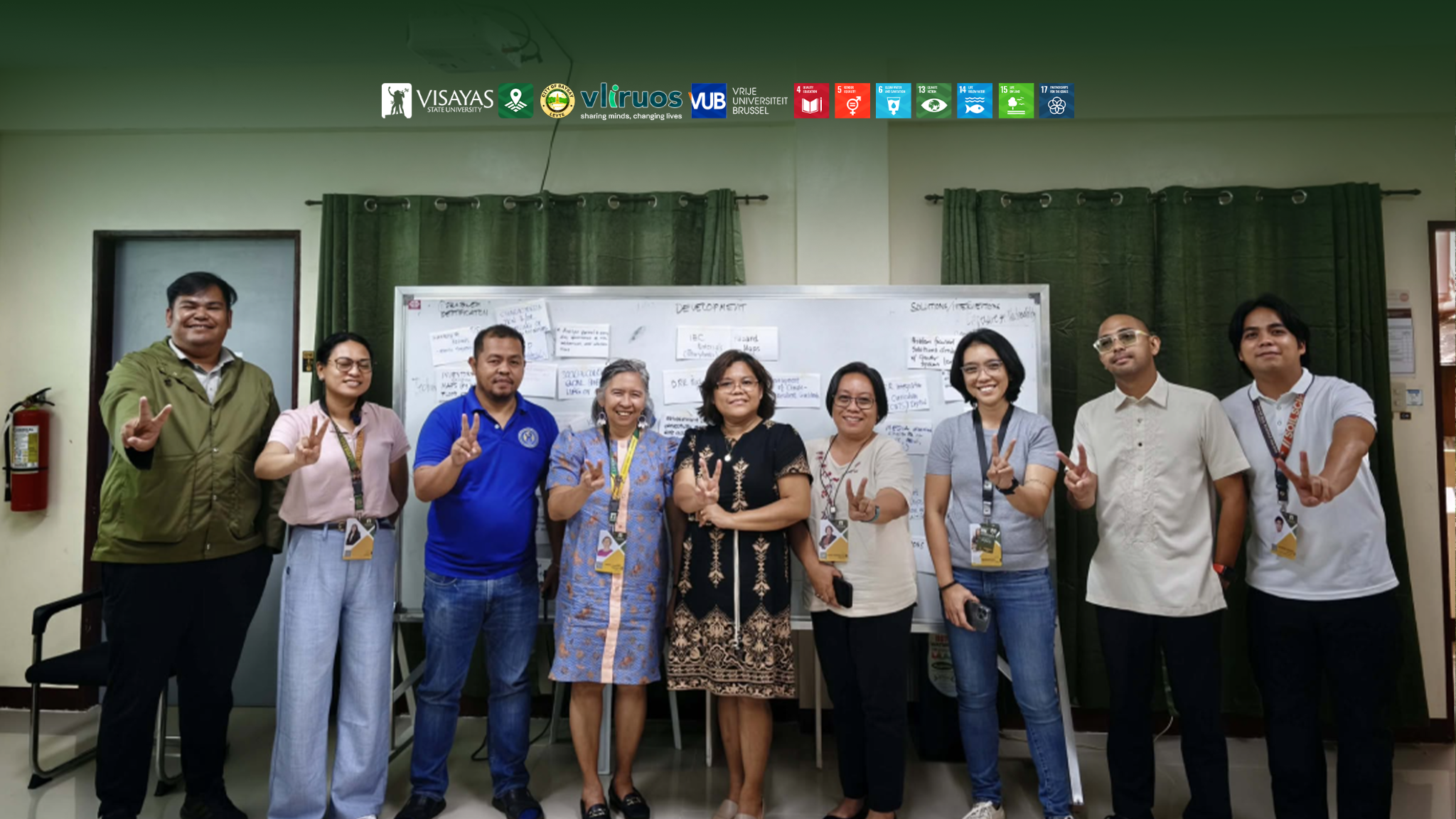
While sophisticated technologies will play a vital role in the project, VIVAR²es recognizes that resilience cannot be built through science alone.
Communities themselves possess valuable knowledge about their landscapes, past disasters, and local coping mechanisms. The project therefore emphasizes co-designing solutions with local stakeholders, ensuring that scientific findings are informed by community experiences and translated into policies that genuinely respond to local needs.
This participatory approach aims to help local governments make evidence-based decisions on land use, disaster risk reduction, climate adaptation, and sustainable coastal and watershed management.
Rather than producing reports that remain on shelves, the project seeks to generate knowledge that can directly influence planning, governance, and community action.
Investing in Future Scientists
Beyond its research objectives, VIVAR²es represents a major investment in developing the next generation of Filipino scientists.
The project includes opportunities for international research exchanges, specialized capacity-building activities, and three PhD scholarships for qualified VSU faculty members who will pursue doctoral studies in Belgium under the joint supervision of Dr. Bencure, Dr. Kervyn, and other Belgian researchers.
These opportunities are expected not only to strengthen individual expertise but also to enhance VSU's long-term research capability in geospatial science, disaster resilience, and climate adaptation.
Breaking Disciplinary Boundaries
Addressing complex environmental problems requires collaboration across disciplines.
The VIVAR²es project brings together a multidisciplinary team of experts from Belgium, Visayas State University (VSU), and the City Government of Baybay. The Belgian collaborators include Matthieu Kervyn of Vrije Universiteit Brussel (VUB), an expert in geomorphology, geohazards, and risk assessment; Costanza Parra of KU Leuven, specializing in political ecology and risk governance; and Tom Van der Stocken of VUB, whose expertise lies in biology, mangrove ecosystems, and coastal processes.
Working together with Dr. Bencure at VSU are the experts from different fields, namely, Ayrton John V. Bantay, energy and environmental engineering expert; Martin Jan E. Mercurio, applied geodesy specialist; Maria Aurora Teresita Tabada, sociologist and gender and development expert; Ayron Nikki M. Garrido, pedology specialist; Bethlehem A. Ponce, ethnography expert; Max Teody Quimilat, anthropologist; Ana Marquiza M. Quilicot, poultry medicine and animal welfare expert; and Gina A. Delima, sociologist of disaster.
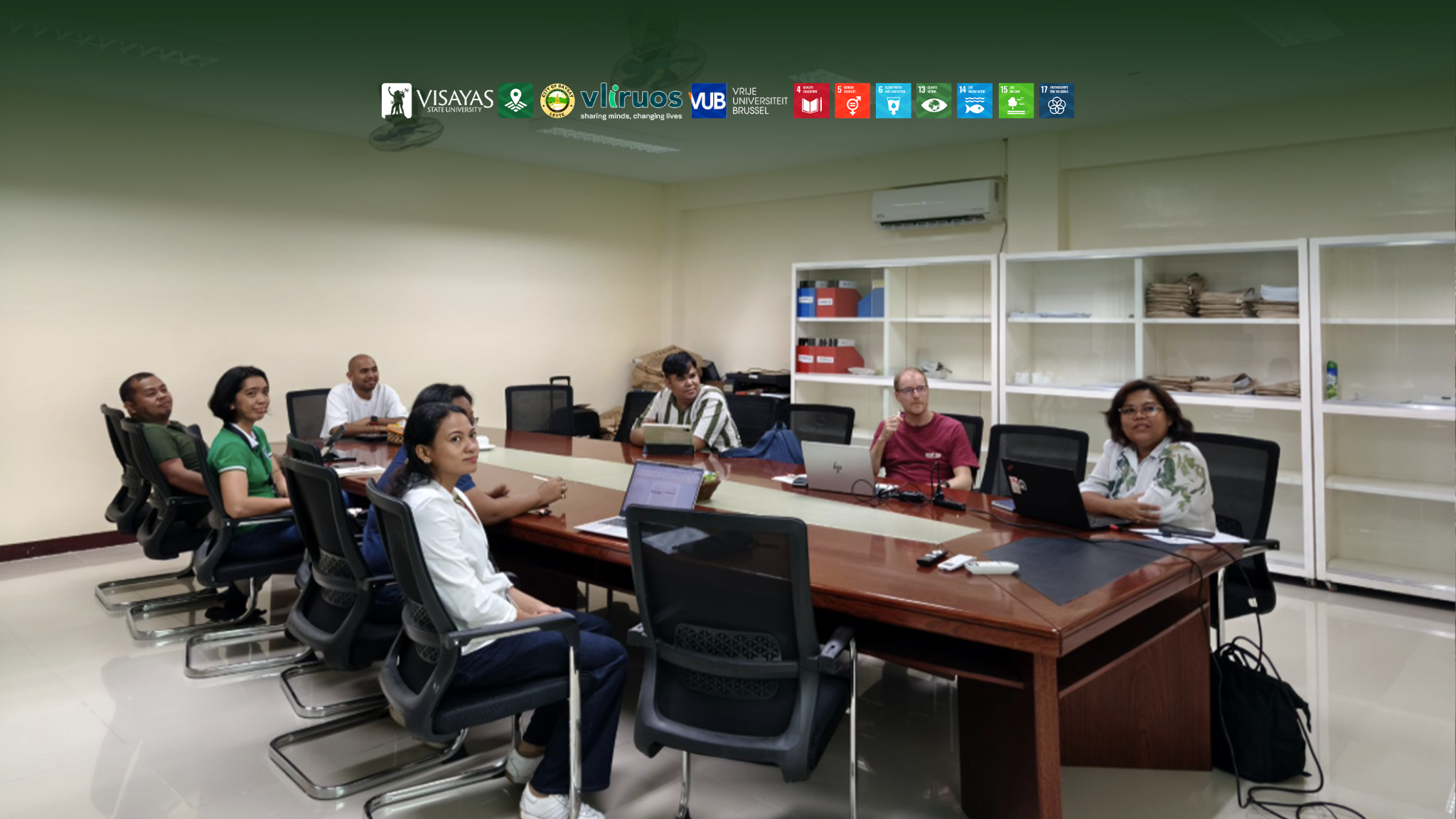
Such interdisciplinary collaboration reflects VSU's growing commitment to address real-world challenges through integrated research and innovation.
Milestone in VSU's Internationalization Journey
Winning a VLIR-UOS TEAM grant is no small feat. The program supports only selected partnerships between Flemish universities in Belgium and higher education institutions in partner countries that demonstrate strong scientific merit, institutional capacity, and the potential to create lasting societal impact.
Its goal is to strengthen research and education while contributing to the Sustainable Development Goals (SDGs) through international collaboration.
More than securing international funding, VIVAR²es proves the university's growing recognition as a trusted research institution capable of leading global partnerships while generating solutions for local development challenges.
Science that Serves People
Ultimately, the success of VIVAR²es will not be measured solely by publications, maps, or research outputs.
Its true impact will be reflected in communities that become better prepared for disasters, local governments equipped with stronger scientific evidence, and future researchers empowered to continue advancing resilience for generations to come.
By connecting international expertise with local realities, and by viewing the landscape as one interconnected system from mountains to the sea, VSU is helping shape a future where science does not simply explain disasters but actively helps mitigate their impact.
Through VIVAR²es, VSU demonstrates that meaningful research extends beyond laboratories and academic journals. It reaches the communities that need it most, transforming knowledge into resilience and partnerships into lasting impact.
This article is aligned with the Sustainable Development Goal (SDG) 4: Quality Education; SDG 5: Gender Equality; SDG 13: Climate Action; SDG 14: Life below Water; SDG 15: Life on Land; and SDG 17: Partnerships for the Goals.